
Last updated September 20, 2026
Full 25-point door and opener safety check with every visit - springs, cables, rollers, tracks, and your LiftMaster or Chamberlain opener included
You get a price before we start. It does not change when the truck arrives.
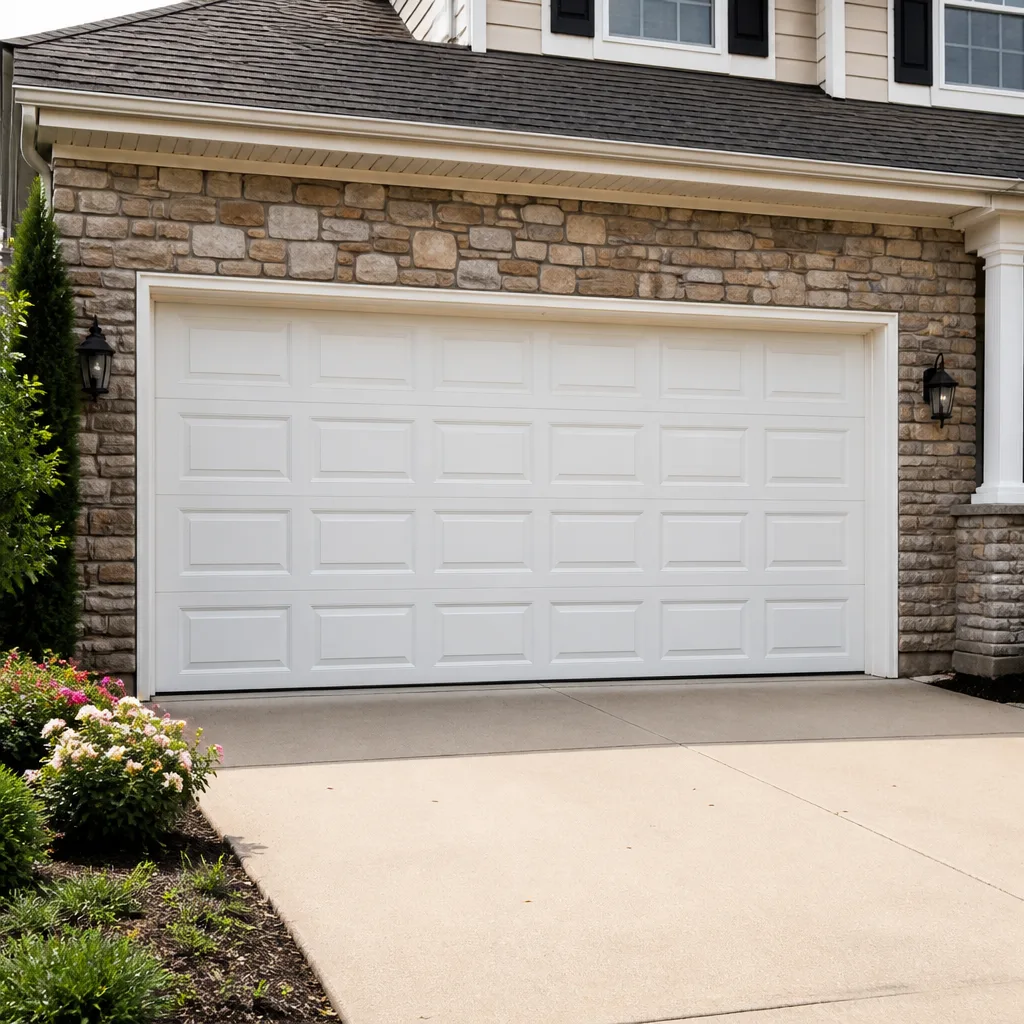
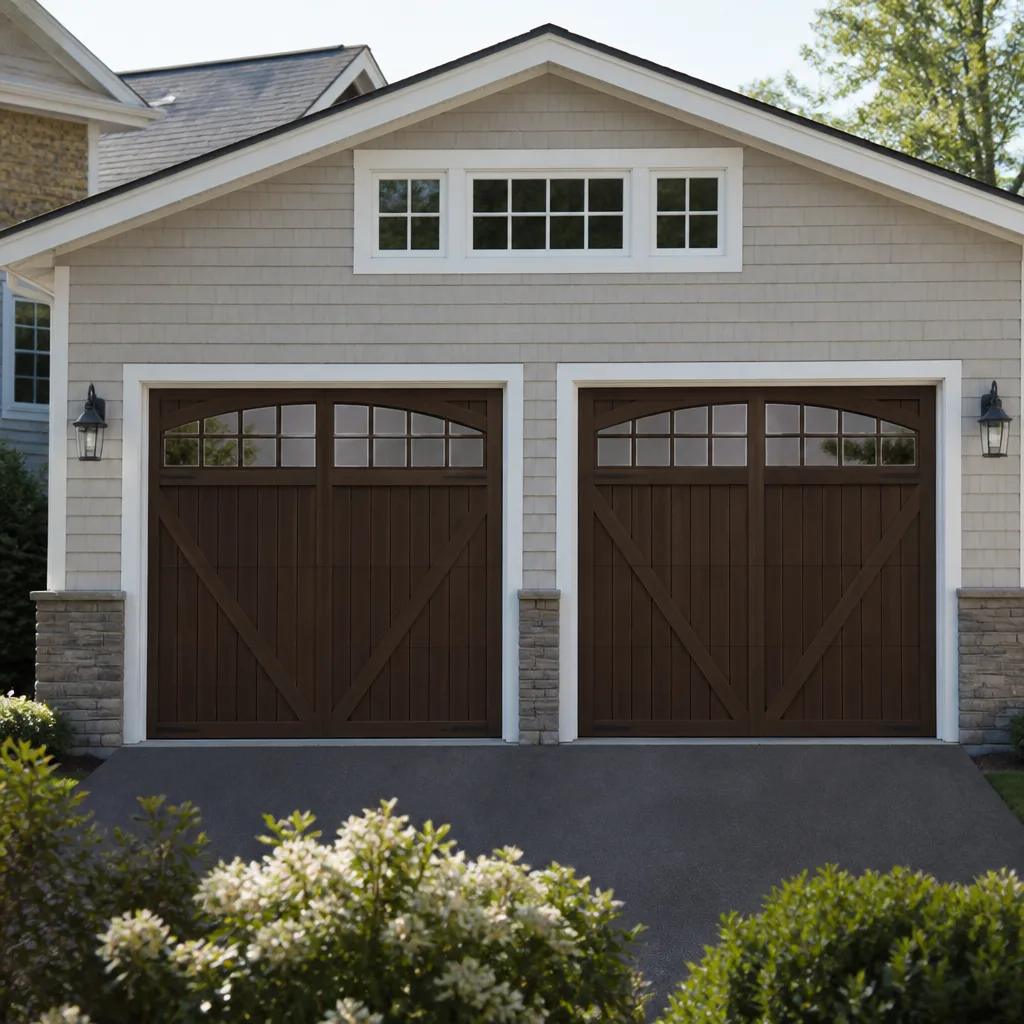
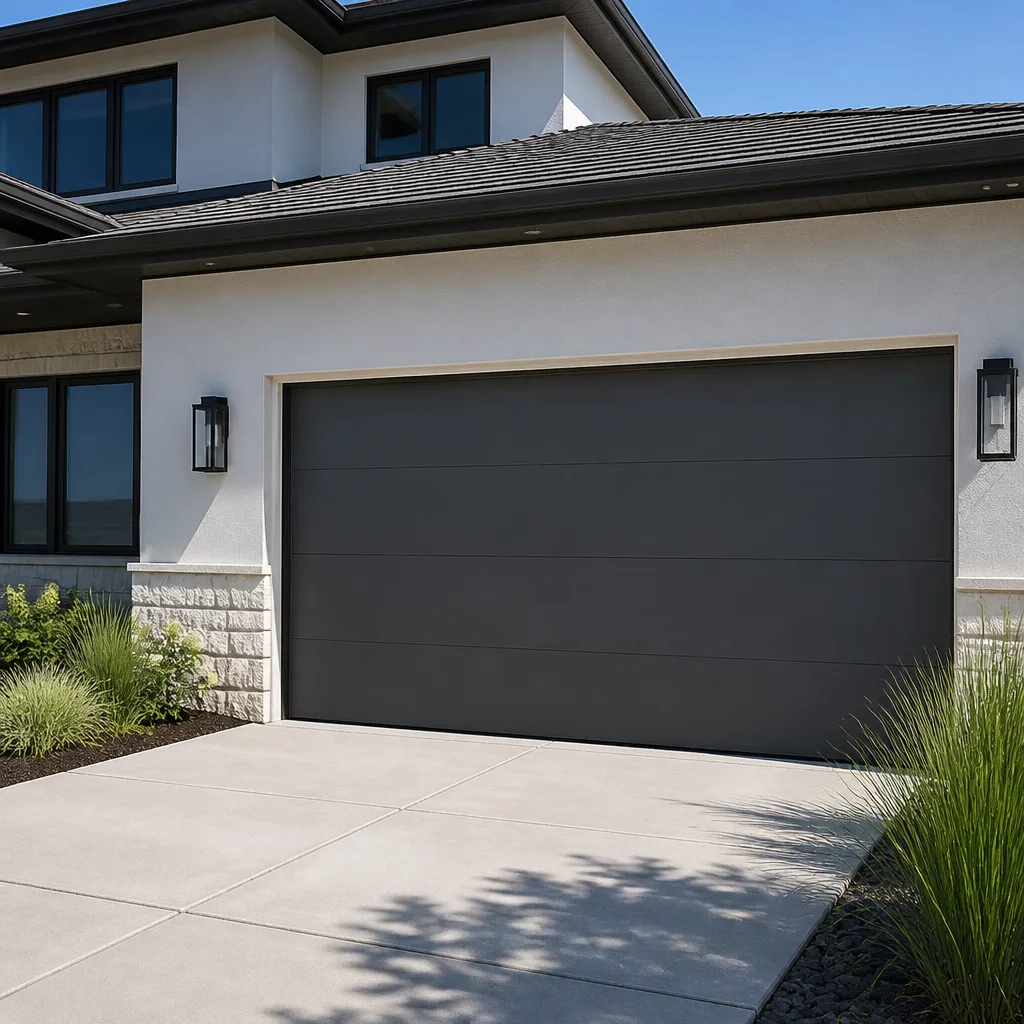
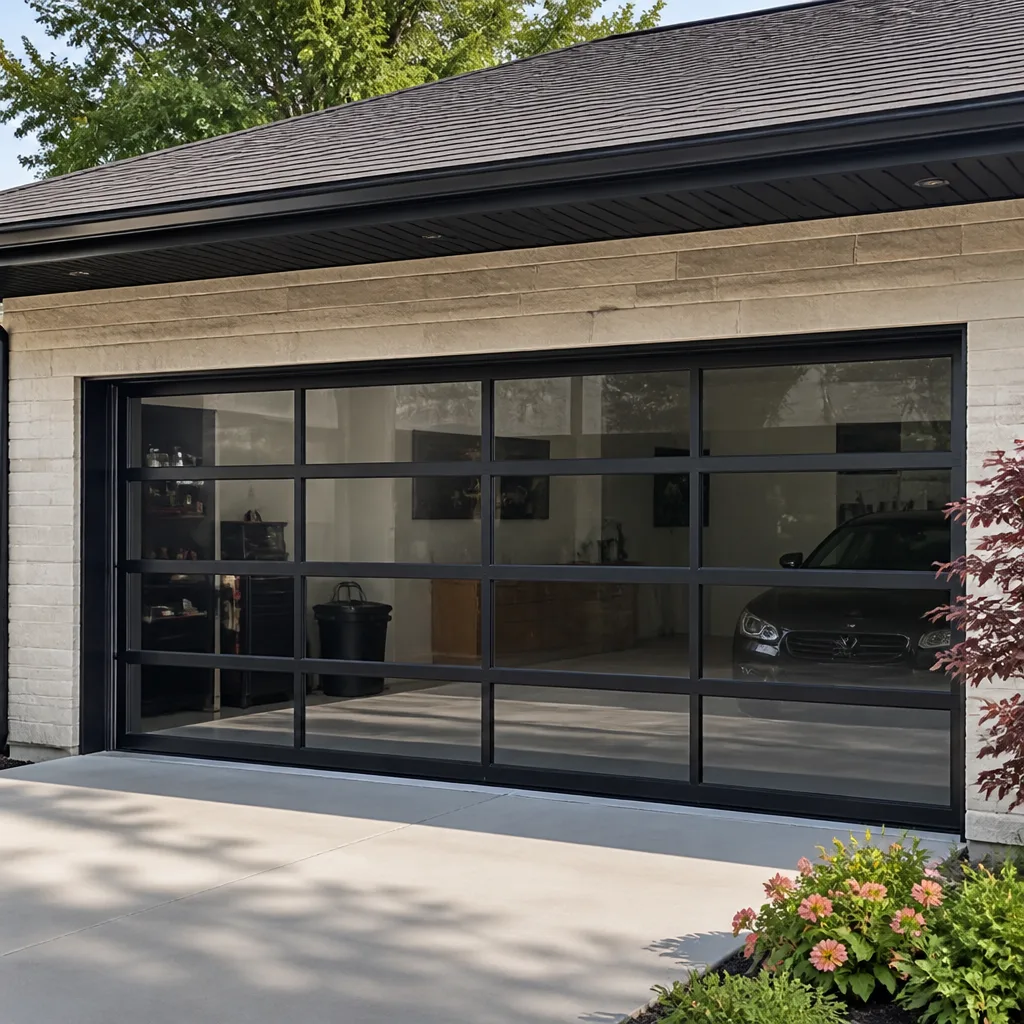
 Before
 After
After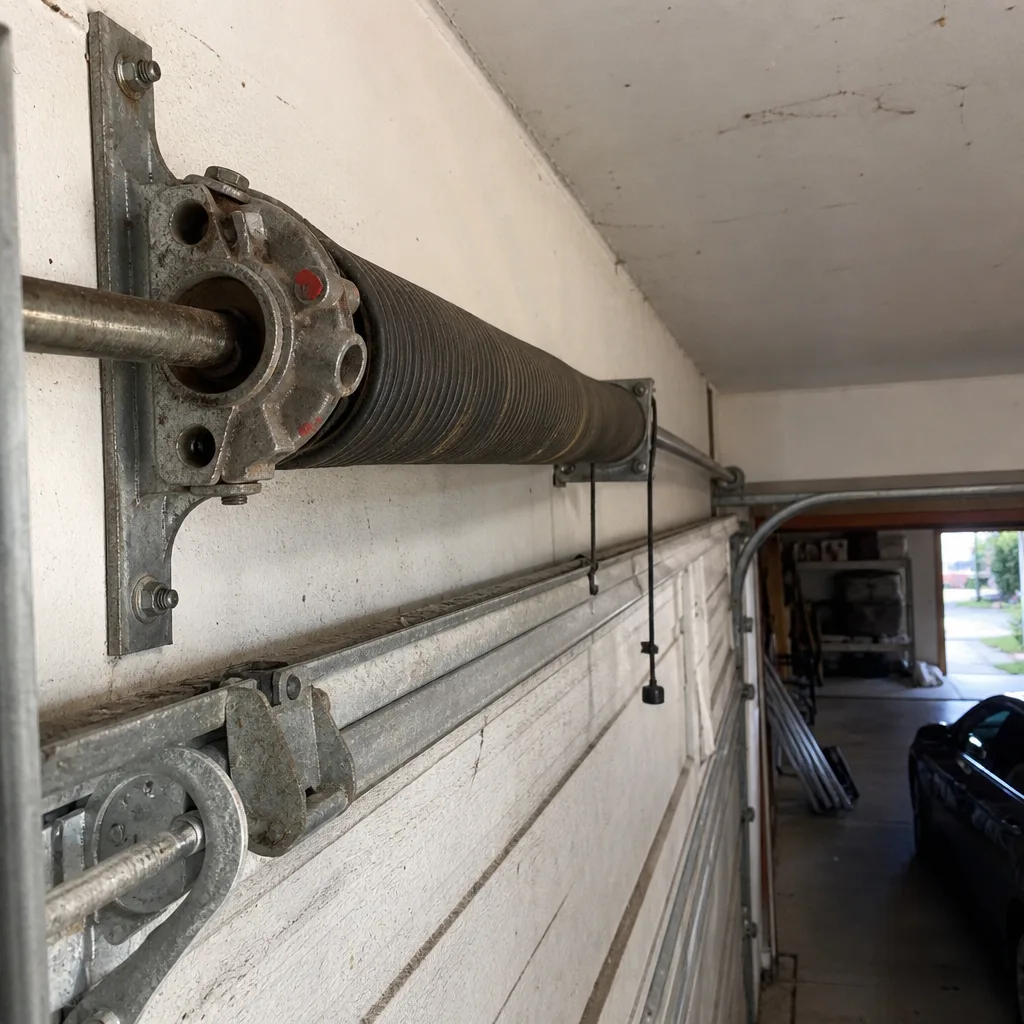 Before
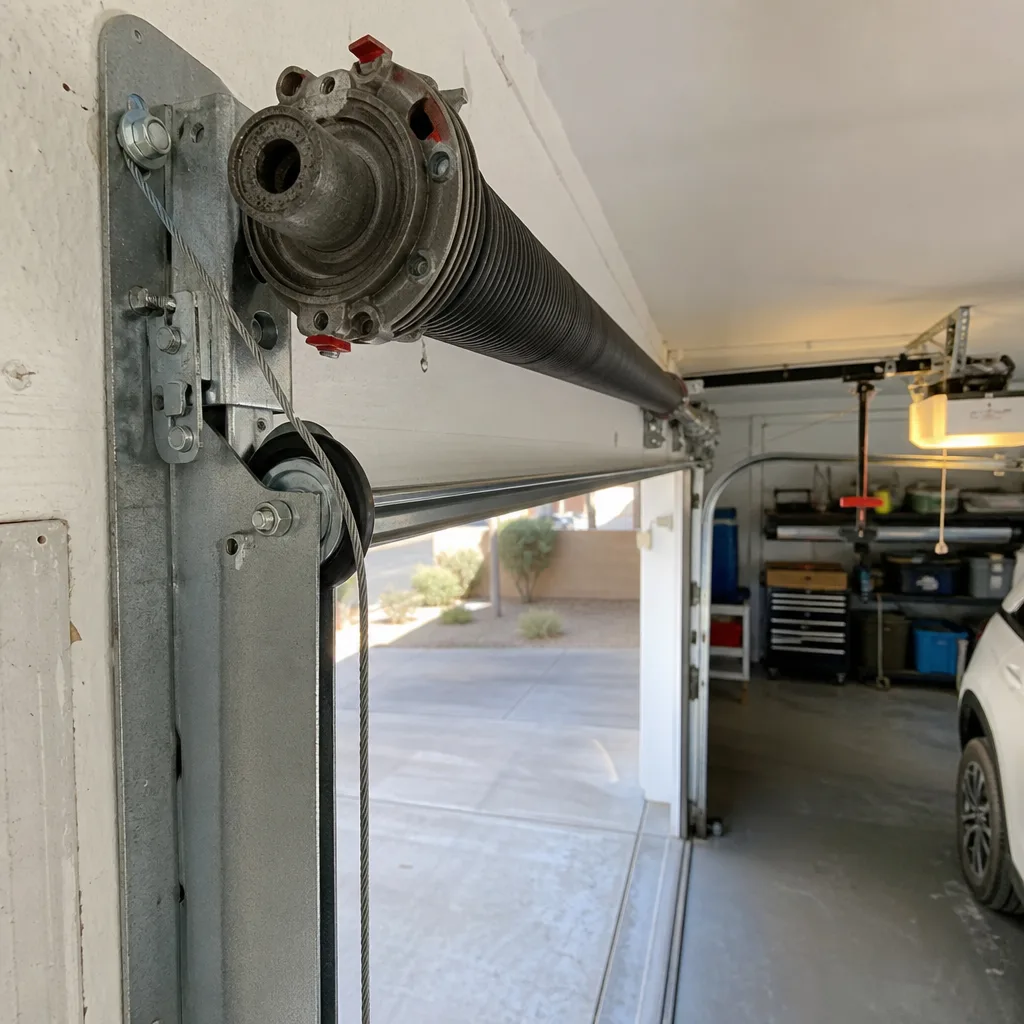 After
After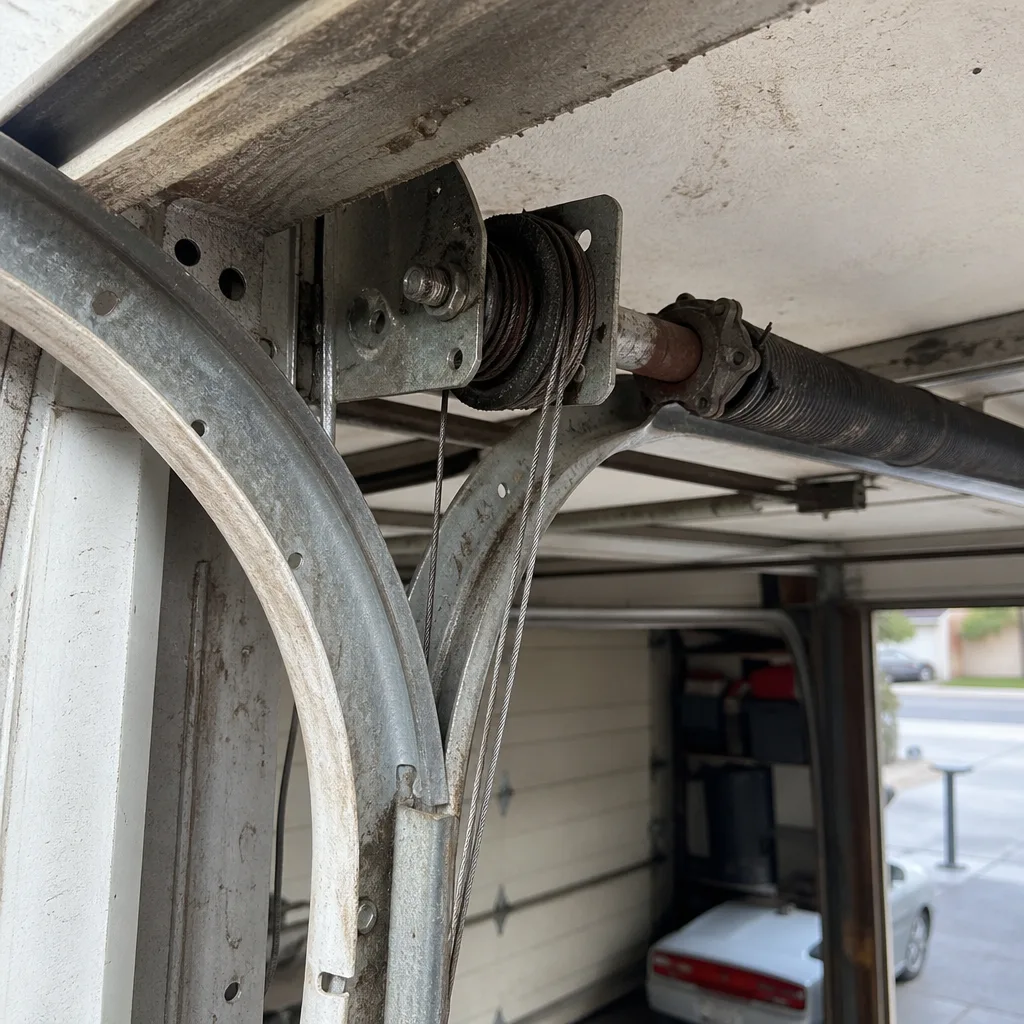 Before
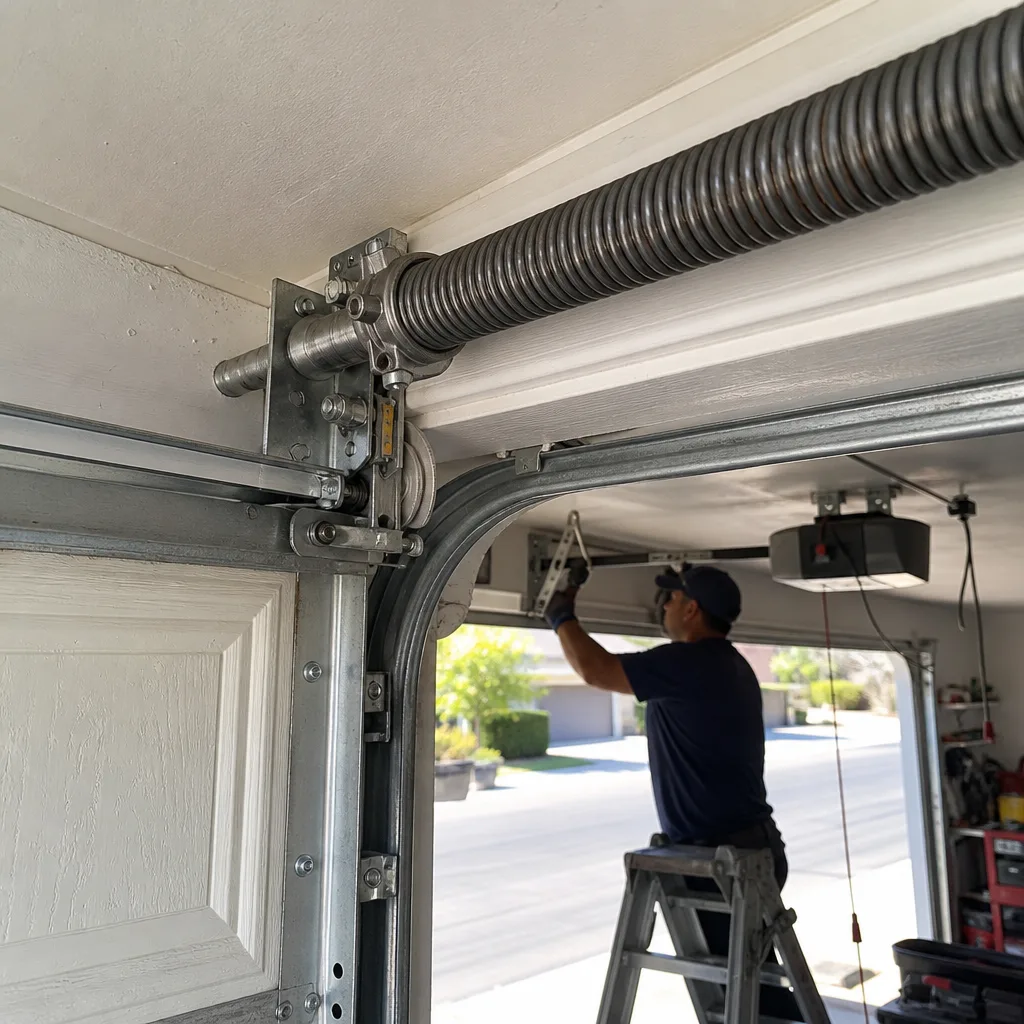 After
AfterSeasonal Garage Door Care for Scottsdale: Year-Round Homeowner’s Guide
A garage door technician scheduling summer calls in Scottsdale sees two failure types cluster within the same six-week window every year: torsion spring snaps in May from dried lubricant, and drive motor thermal shutdowns in July from seal drag. Both are pre-monsoon failures that a March visit would have caught. This guide explains what to do, when to do it, and why Scottsdale’s climate demands a different calendar than what generic maintenance articles suggest. You’ll learn the three stress periods that actually matter here, the specific components each period attacks, and a task schedule mapped to real Scottsdale weather patterns rather than a northern-hemisphere template.
Quick Answer
Seasonal garage door care in Scottsdale means working in three climate-defined periods, not four traditional seasons: pre-monsoon heat buildup (February through April), monsoon humidity and debris (June through September), and mild winter (October through January). The two highest-value tasks are lubricating metal-to-metal contact points in March before temperatures climb past 100°F, and clearing track debris after every monsoon storm in July and August. A homeowner who does these two things prevents roughly 70% of the failure calls we see in Scottsdale.
Table of Contents
- Why Scottsdale’s Climate Breaks the Standard Seasonal Playbook
- Pre-Monsoon Period (February-April): Heat Hardening and Spring Stress
- Monsoon Period (June-September): Humidity, Debris, and Seal Swelling
- Mild Winter Period (October-January): Hardware Inspection and Cool-Weather Work
- UV, Panels, and Paint: Why Scottsdale Sun Makes Cosmetic Inspection an Annual Task
- Scottsdale Task Calendar: Month-by-Month Schedule
- Common Mistakes to Avoid
- When to Call a Professional
- Frequently Asked Questions
- The Bottom Line
BeforeAfterWhy Scottsdale’s Climate Breaks the Standard Seasonal Playbook
Scottsdale does not have four seasons in any way that maps to a standard seasonal care guide. It has three mechanically distinct stress periods, each of which attacks a different set of components on your garage door system.
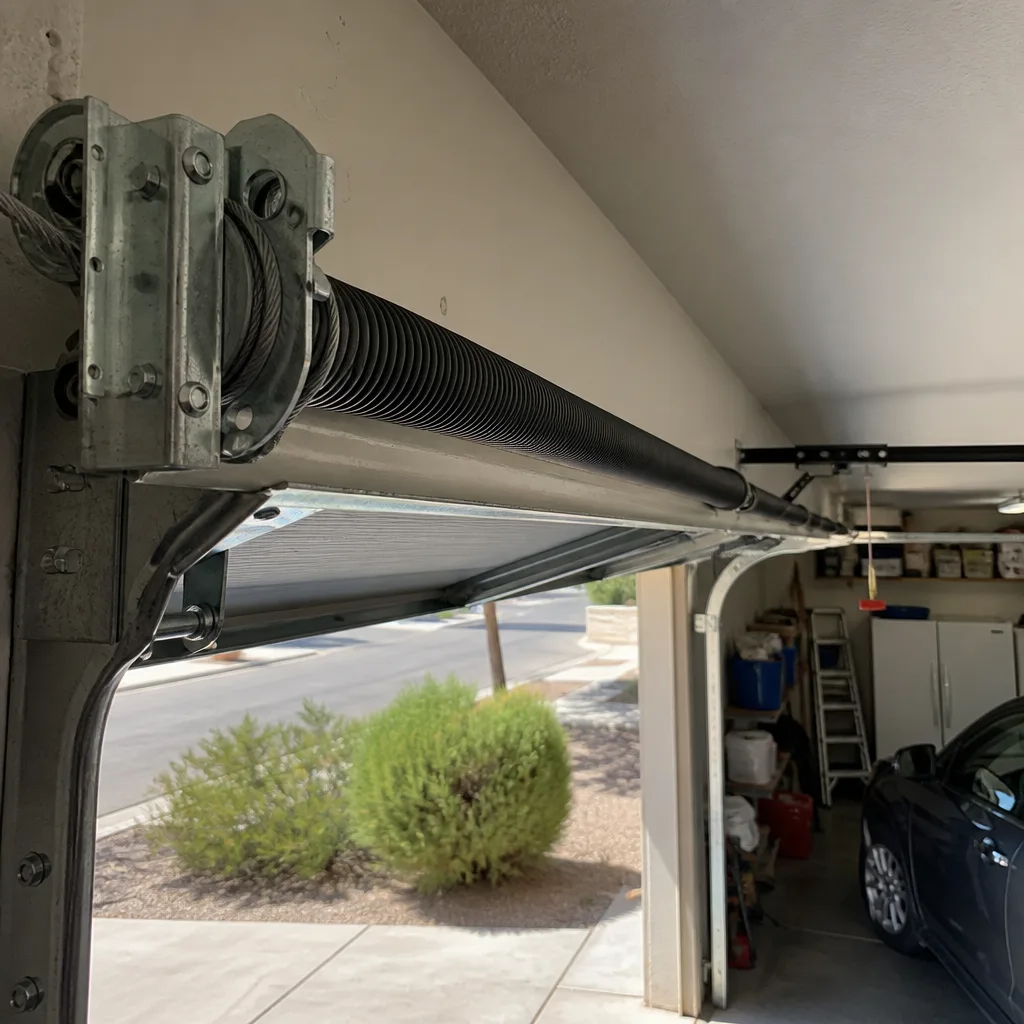
The first stress period runs from February through April, when daytime temperatures climb from the 70s into the 90s and occasionally touch 100°F. This is pre-monsoon heat buildup. Metal expands, lubricant thins and then bakes off, and torsion springs that have been sitting marginally out of spec all winter suddenly face their maximum load at the worst possible moment. A torsion spring is the counterweight mechanism mounted above the door that does the actual lifting; when it snaps, the door becomes dead weight. These failures cluster in May because the heat spike arrives before most homeowners have thought about their garage door since the previous fall.
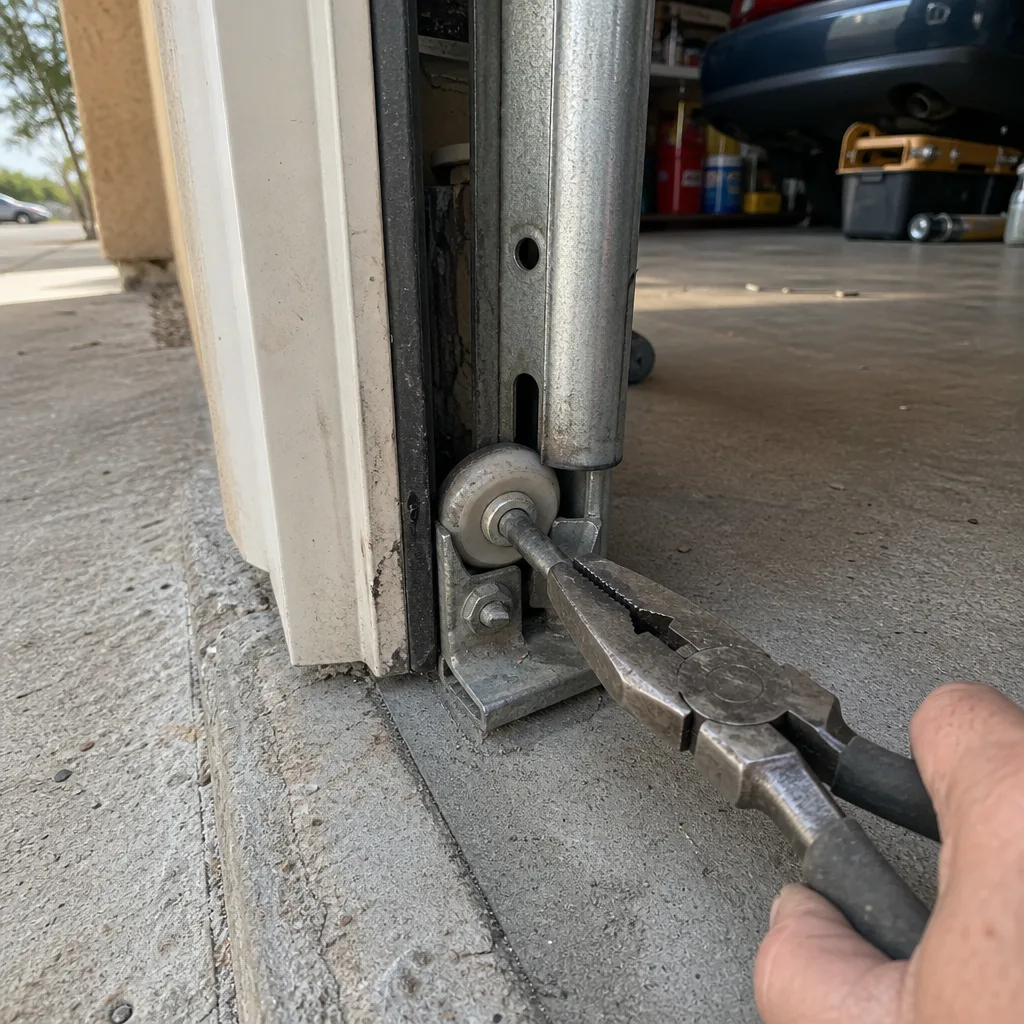
The second stress period runs from June through September. Monsoon season brings humidity spikes from single digits to 60% or higher within hours, along with wind-driven dust, caliche, and microbursts that can drop a half-inch of rain in twenty minutes. Humidity causes weatherstripping to swell. Wind drives grit into roller tracks. Caliche, the hardened calcium carbonate deposit that forms in Scottsdale’s alkaline soil, builds up on the bottom seal and the track’s lower curve. Each of these creates drag, and drag is what overheats drive motors in July.
The third stress period runs from October through January. Scottsdale’s mild winter, with daytime highs in the 60s and 70s, is the best window for work that requires comfortable temperatures, like repainting panels, replacing weatherstripping that has hardened over summer, and doing full hardware torque checks without rushing. Nothing about Scottsdale winter stresses your door. That is exactly why the work belongs there.
This guide assigns specific tasks to each period. If you have lived in Scottsdale for more than two summers, you already know the pattern. The fix is doing the work before the pattern repeats.
Pre-Monsoon Period (February-April): Heat Hardening and Spring Stress
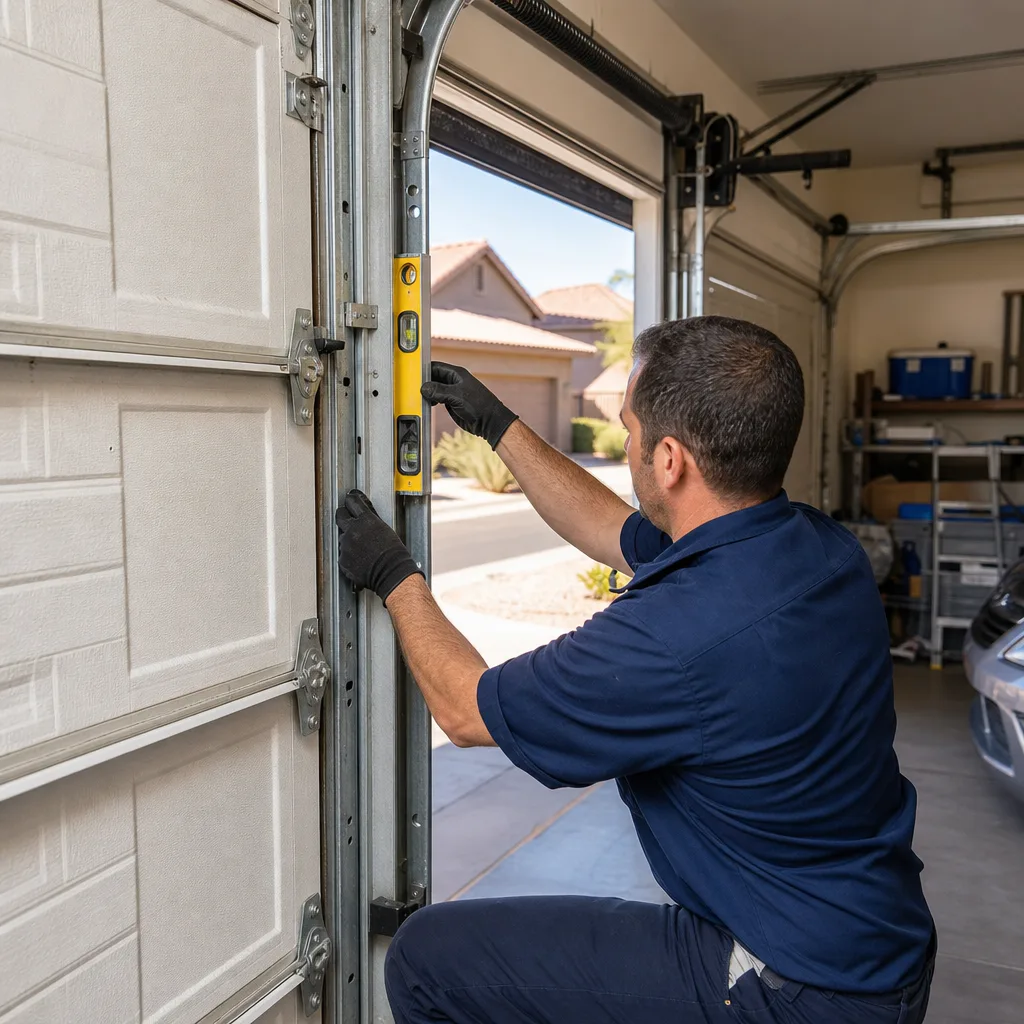
The pre-monsoon window is the most important maintenance period of the year in Scottsdale, and it is also the most commonly skipped. March is the month to do the work, before the first sustained 100°F stretch. By May, the failures have already happened.
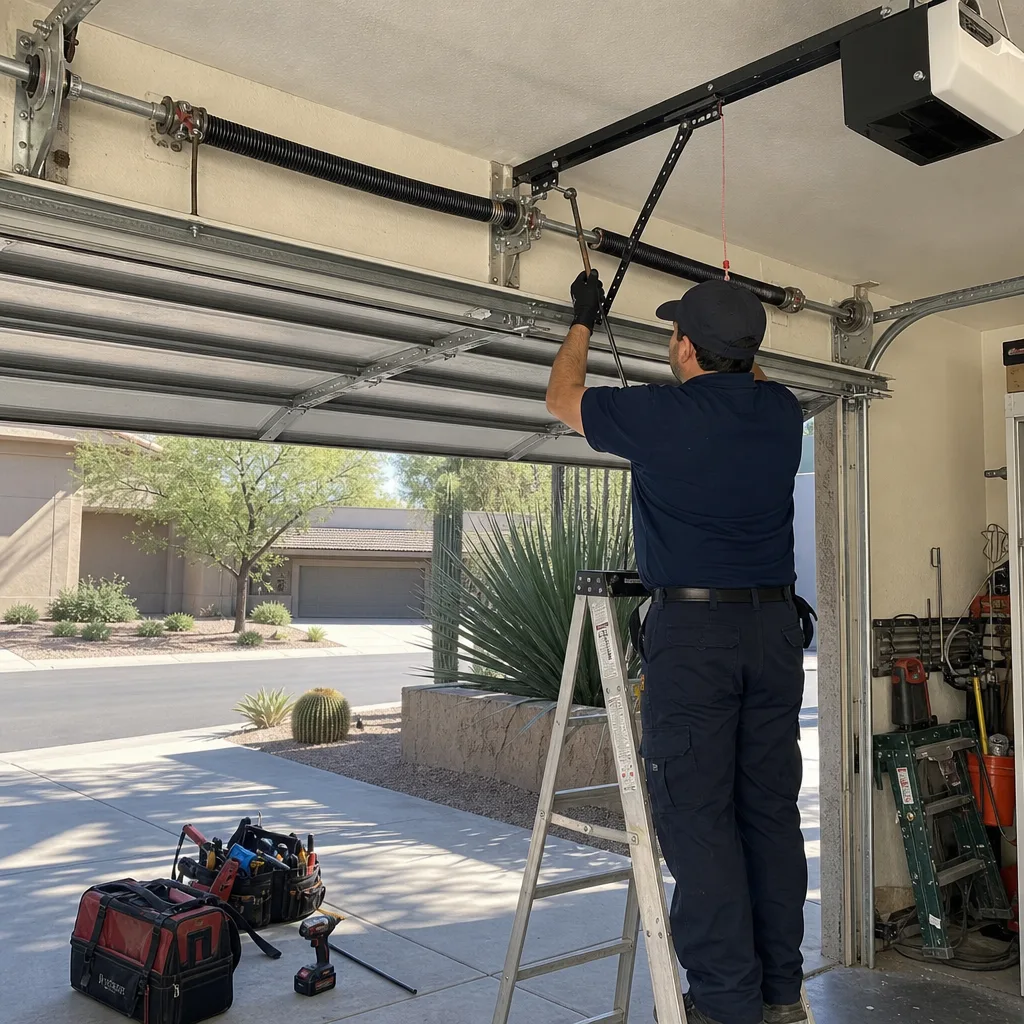
The two components that fail most frequently during this period are torsion springs and drive motors. Both failures trace to the same root cause: lack of lubrication combined with heat. When a torsion spring is properly lubricated, the coils slide against each other as the spring winds and unwinds. When the lubricant bakes off in Scottsdale’s dry heat, the coils grind. A spring that measures 0.225-inch wire diameter and has been in service since 2016 is already near the end of its rated cycle life, somewhere between 10,000 and 15,000 open-close cycles depending on the brand. The grinding accelerates fatigue, and the spring snaps, usually at the point where the coil meets the stationary cone.
Drive motors fail differently. A garage door opener motor has a thermal cutoff switch that trips when the motor draws too much current. Increased friction in the rollers, hinges, or tracks means the motor works harder to move the same door. On a 110°F afternoon in a garage that has been baking all day, the ambient temperature inside the opener housing can exceed 140°F. The thermal cutoff trips mid-cycle and the door stops moving. Homeowners call it a motor failure. In a third of those cases, what actually failed was the lubrication schedule.
Here is the pre-monsoon task list, in order of priority:
- Lubricate the rollers, hinges, and springs. Use a lithium-based garage-door-specific lubricant, not WD-40. WD-40 is a solvent, not a lubricant; it strips the existing lubricant and leaves the metal dry. Spray the hinge pins, the roller stems (not the nylon wheel face), and along the full length of both torsion spring coils. Do this in late February or early March.
- Check the spring tension. Disconnect the opener by pulling the red release handle, then lift the door manually. It should move smoothly and stay in place at the halfway point without drifting up or down. If the door drops, the spring is under-tensioned. If it flies up, it is over-tensioned. Both conditions shorten spring life. Spring tension adjustment is hazardous work. A torsion spring under load stores enough energy to cause serious injury. Have a trained technician verify and adjust tension.
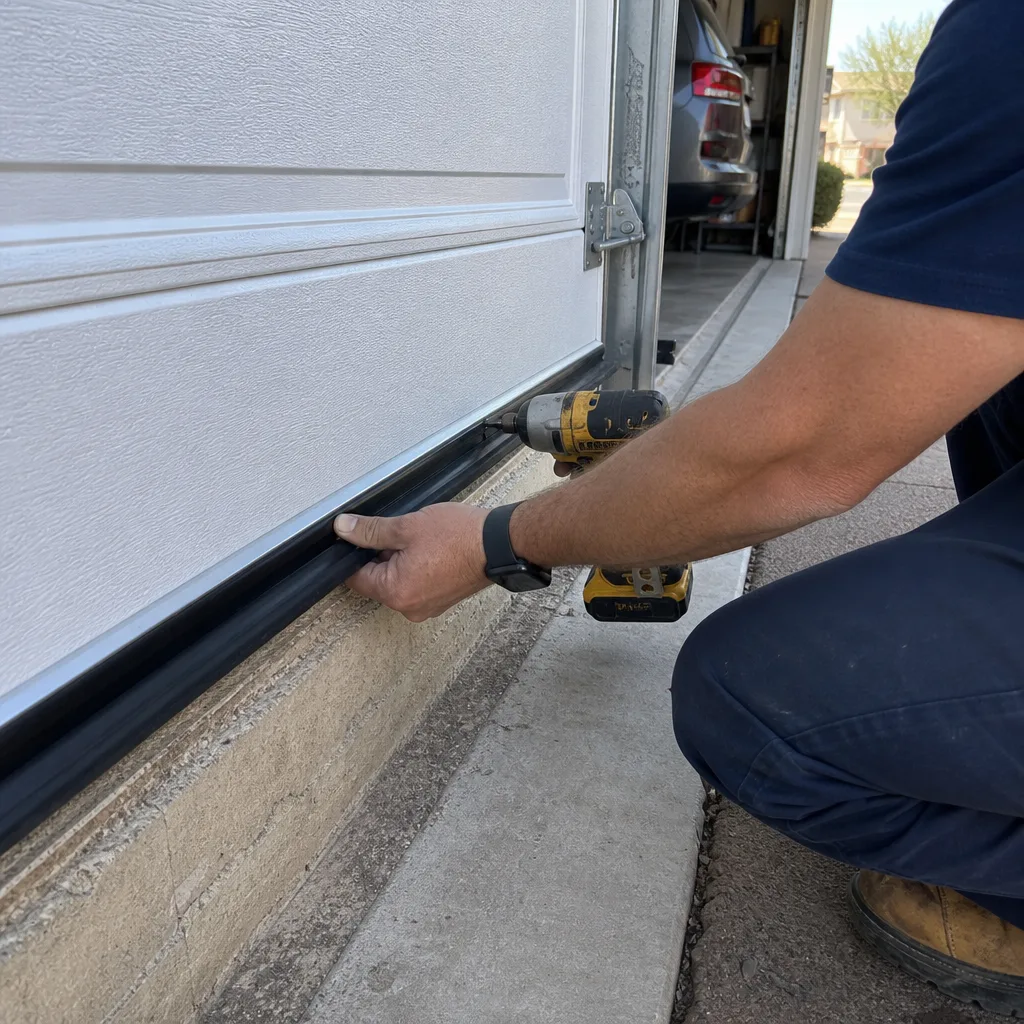
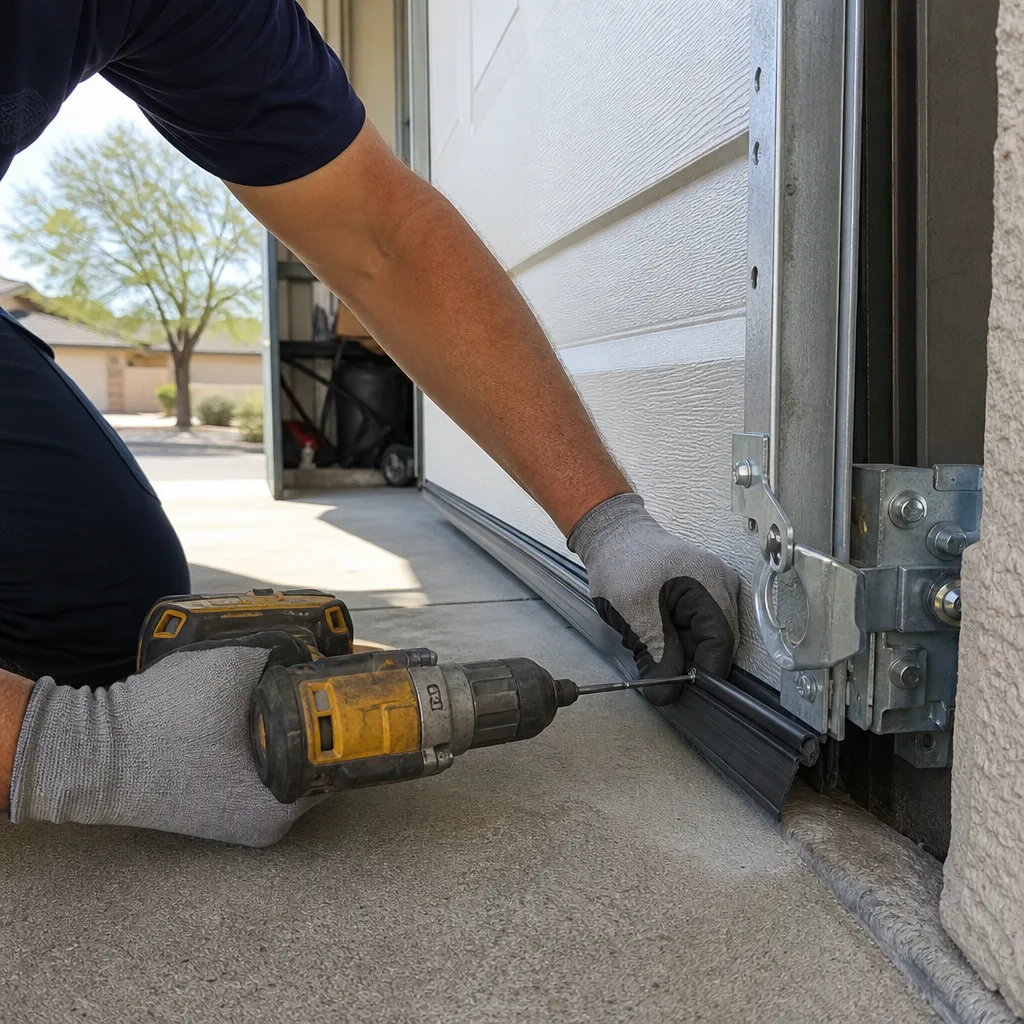
- Inspect the bottom seal and side weatherstripping for pliability. Scottsdale’s UV exposure hardens vinyl seals faster than almost any other climate in the country. Squeeze the bottom seal. It should compress and rebound. If it feels like hard plastic or shows cracks, replace it before monsoon season, not after.
- Clean the photoelectric safety sensors. Located near the bottom of each track, these sensors stop the door if anything crosses the beam. Dust from spring winds coats the lenses, and a blocked sensor prevents the door from closing. A dry microfiber cloth takes thirty seconds per sensor.
- Check the balance brackets and roller tracks for loose bolts. Heat cycling causes metal-to-metal connections to loosen over time. A torque check on the track brackets and the opener rail takes ten minutes and prevents a track from drifting out of alignment mid-summer.
We see this pattern every year in Scottsdale neighborhoods like McCormick Ranch, Gainey Ranch, and Grayhawk. Homeowners who do the March lubrication and spring check sail through summer. Homeowners who skip it call us in July.
If you want a deeper look at the mechanical systems behind these tasks, our Garage Door Repair in Scottsdale page explains the components and failure modes in detail.
Monsoon Period (June-September): Humidity, Debris, and Seal Swelling
Monsoon season in Scottsdale is not a single weather event. It is a pattern of afternoon and evening storms that arrive fast, dump rain and dust, and leave behind a specific kind of residue that attacks garage door hardware. The two tasks that matter most during these four months are clearing debris from tracks and checking seal integrity.
Caliche is the culprit most homeowners do not see coming. Scottsdale sits on alkaline soil, and when monsoon rain splashes against the lower panels of a garage door, it carries dissolved calcium carbonate. As the water evaporates, the caliche recrystallizes on the bottom seal, the lower track, and the bottom fixture brackets. Over six to eight weeks of repeated monsoon storms, a caliche crust builds up. That crust is abrasive. It grinds against the roller stems as the door moves, adds friction to the system, and in severe cases prevents the bottom seal from making a clean contact with the floor.
Here is the after-storm checklist for Scottsdale monsoon season:
- Clear the bottom track after any storm that leaves visible debris. Use a flat-head screwdriver or a putty knife to scrape the caliche deposit from the lower curve of the track. Do this while the door is open and the track is accessible. Wipe the track with a dry cloth. Do not use water; the goal is to remove mineral buildup, not to add moisture to bare metal.
- Check the bottom seal for swelling or separation. Humidity spikes cause vinyl seals to expand. A seal that was borderline in April may swell enough in August to drag on the floor, adding friction to every cycle. Look for gaps where the seal meets the concrete on each side of the door. A swollen or separated seal means more dust, more water intrusion, and more motor strain.
- Inspect the track alignment after high-wind events. Monsoon microbursts are powerful enough to flex a garage door panel inward. That flex can push the track out of parallel by a fraction of an inch. You will hear the difference before you see it: a grinding or scraping sound during travel that was not there before the storm. Track realignment is precise work; a track that is out of parallel by more than 1/8 inch should be corrected by a technician.
- Test the auto-reverse safety system. Place a 2×4 flat on the floor under the door’s path and close the door. The door should reverse on contact. This is a federal safety requirement, and monsoon season is a good reminder to verify it, because a door that does not reverse can cause injury or property damage.
- Check for water staining on the interior side of the bottom panel. Water that pools against the door during a heavy downpour can find its way through a degraded seal. Water staining on the interior panel face is the first visible sign that the seal has failed. Replace the seal before the next storm cycle.
The motor strain issue deserves emphasis. Every bit of caliche in the track, every degree of seal swelling, every dust-clogged roller bearing adds friction. The opener motor compensates by drawing more current. More current means more heat. More heat means the thermal cutoff trips sooner. A motor that trips its thermal cutoff repeatedly is getting damaged each time. The fix in most cases is not a new motor. It is removing the friction that is overloading the motor in the first place.
Mild Winter Period (October-January): Hardware Inspection and Cool-Weather Work
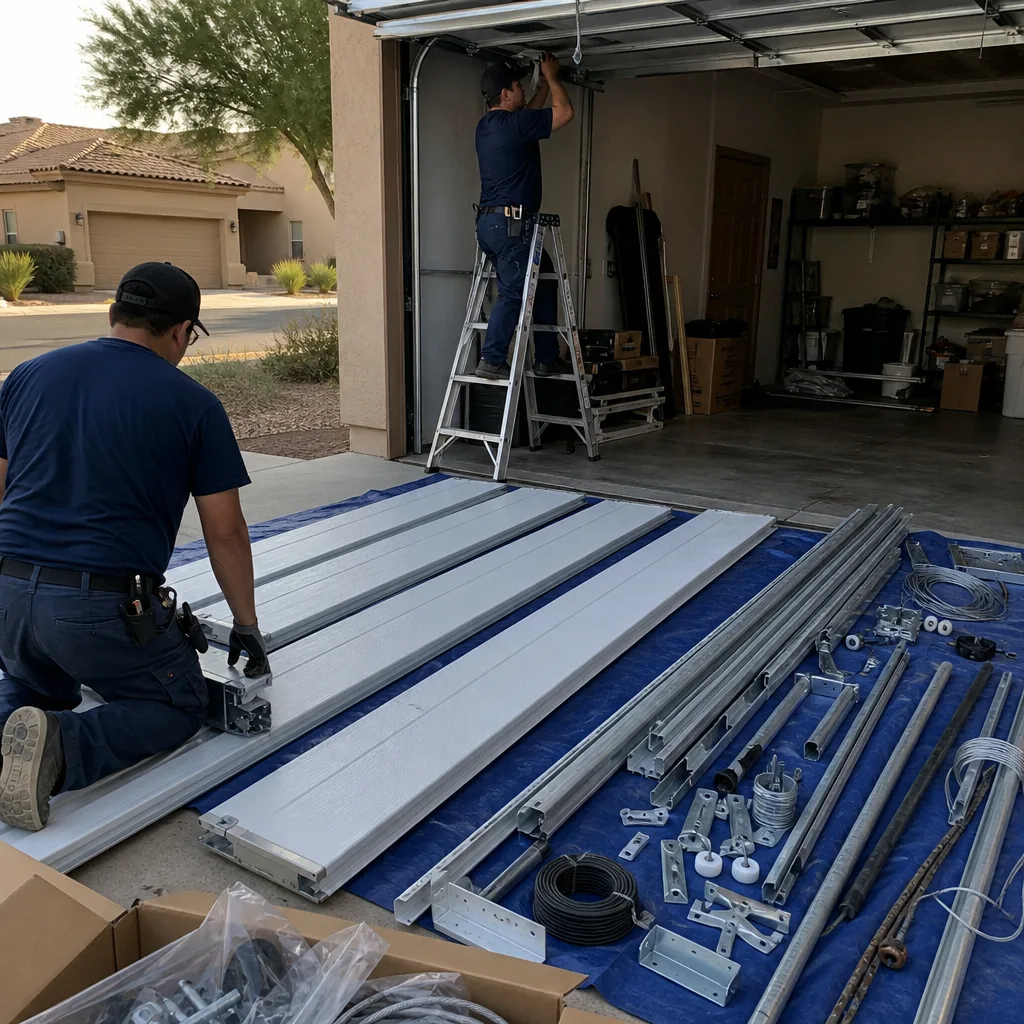
Scottsdale winters are mild by any standard, with daytime highs in the 60s and 70s from late October through January. This is the best window of the year for work that does not need to be done urgently but gets deferred because summer makes it miserable: repainting, seal replacement, full hardware inspection, and cosmetic maintenance.
The winter task list is about setting the door up for the next heat cycle:
- Perform a full hardware torque check. Go over every bolt on the track brackets, the hinge plates, the opener rail, and the door’s horizontal reinforcing struts. Metal expands and contracts with Scottsdale’s daily temperature swings, which can exceed 40°F between overnight lows and afternoon highs in spring and fall. Over a year, that thermal cycling loosens bolts. A complete torque check takes a technician about 30 minutes. On a door that has not been checked in three or more years, it routinely reveals six to ten loose fasteners.
- Replace weatherstripping that summer baked hard. By October, a vinyl seal that spent June through September in 100°F-plus heat has lost much of its pliability. Winter is the time to replace it, because the material is easier to work with in cool temperatures and the installation adhesive bonds better. Brands like Clopay and Amarr offer replacement bottom seals sized to their specific panel profiles, and using the correct profile matters for a clean seal against the floor.
- Repaint or touch up panel surfaces. More on this in the UV section below, but the short version is that Scottsdale sun is brutal on panel coatings, and winter is the only season when paint and clear coat can cure properly outdoors.
- Test the opener’s force settings. Modern openers from LiftMaster, Chamberlain, and Genie have adjustable force limits that determine how much resistance the motor will push against before reversing. Over time, as seals harden and tracks drift, the effective force required to move the door changes. A force setting that was correct in March may be too high by December, which reduces the effectiveness of the auto-reverse safety system. Testing and adjusting force settings is a ten-minute task that prevents a larger problem.
- Inspect the opener’s drive mechanism. Chain-drive openers need chain tension checks. Belt-drive openers need belt tension and alignment checks. Screw-drive openers need the rail re-lubricated with the specific grease the manufacturer specifies. Each drive type has a different inspection protocol, and doing it in cool weather is simply more comfortable.
This is also the right season for any deferred work that is not urgent. If the door has a dented panel from a monsoon-season mishap, a noisy roller that has been tolerable but not right, or an opener that occasionally needs a second button press to respond, winter is when that work gets scheduled. The door is not under thermal stress, and neither is the technician.
If the inspection reveals a problem that goes beyond maintenance, our Garage Door Installation in Scottsdale page covers replacement options and what a written installation quote includes.
UV, Panels, and Paint: Why Scottsdale Sun Makes Cosmetic Inspection an Annual Task
Scottsdale’s annual UV index is among the highest of any metropolitan area in the United States. The city averages more than 300 sunny days per year, and the UV index regularly hits 10 or 11, the “extreme” range, from May through September. That changes the maintenance math for garage door panels in a way that generic seasonal guides do not address.
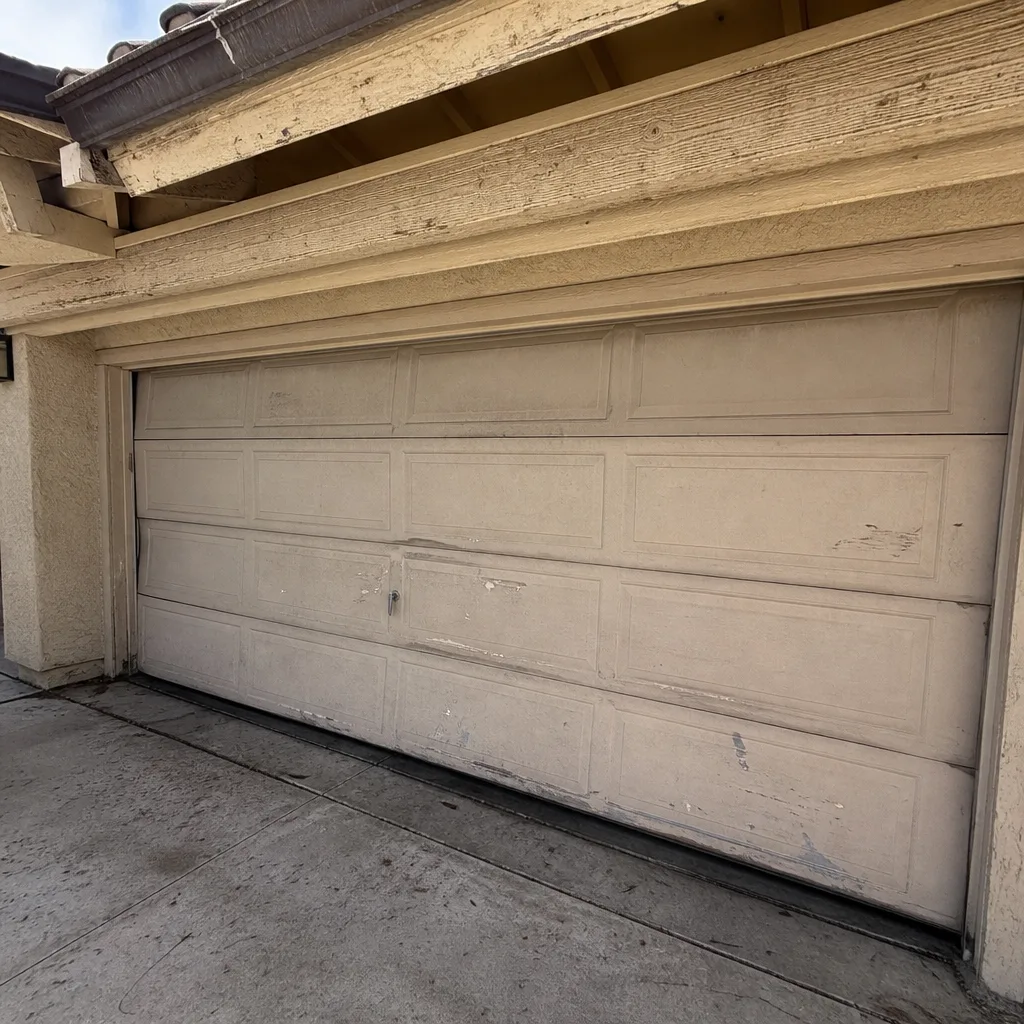
A garage door panel is typically made of steel with a factory-applied paint or powder coat finish, or of wood composite with a factory stain or paint. The finish is not just cosmetic. On steel doors, the finish is the barrier against corrosion. Once UV radiation breaks down the clear coat and the pigment layer, the underlying steel is exposed to monsoon humidity and eventual rust. On Amarr, Clopay, and Wayne Dalton steel doors, the factory finish is rated for a certain number of years of direct sun exposure, but Scottsdale conditions shorten that rating meaningfully.
What to look for on an annual inspection:
- Chalking. Run your hand across the panel surface. If a fine powder comes off on your palm, the paint binder is breaking down. Chalking is the first stage of finish failure, and it means the panel should be repainted within the next 12 months, not left for another five years.
- Fading in bands. Look for horizontal bands of lighter color, usually where the top edge of one panel shades the panel below it. This is uneven UV exposure showing itself. It indicates the clear coat has failed in the sun-exposed zones.
- Rust blooms on panel edges. The bottom edge of the bottom panel is the highest-risk zone, because it sits closest to monsoon splash-back and collects condensation. Rust blooms at the panel edge mean the finish has already failed in that location and the underlying steel is oxidizing.
- Seal failure around window inserts. If the door has glass inserts, check the gaskets around each window frame. Scottsdale heat cycles cause gasket material to shrink and crack, and a failed gasket lets dust and water into the panel core.
The corrective action is repainting with an exterior-grade metal paint in the same color family as the original finish, done in the mild winter window when temperatures stay between 50°F and 80°F for proper curing. A repaint restores the barrier function and extends the panel life. Left unaddressed, a chalked panel in Scottsdale typically reaches the rust stage within two to three years, and a rusted panel is a replacement, not a repaint.
One more UV-related note: the nylon rollers inside the track also degrade under UV exposure, because the lower and side sections of the track are exposed to reflected sunlight through the gap between the door and the opening. Nylon rollers that have turned yellow or feel rough on the bearing surface should be replaced. This is a fifteen-dollar part that prevents a much more expensive track repair.
Scottsdale Task Calendar: Month-by-Month Schedule
Here is the full maintenance schedule mapped to Scottsdale’s actual weather calendar, not a generic four-season template.
February
- Lubricate torsion springs, hinges, and roller stems with lithium-based lubricant
- Disconnect opener and test manual door balance at the halfway point
- Clean photoelectric sensor lenses with a dry cloth
March
- Complete any lubrication that was deferred in February, before the first 100°F day
- Torque-check track brackets and opener rail bolts
- Schedule spring tension verification if the door failed the balance test
April
- Inspect bottom seal and side weatherstripping for heat hardening; replace if cracked
- Test auto-reverse safety system with a 2×4
- Check opener force settings
May
- Listen for grinding or scraping during door travel; these sounds indicate track misalignment or roller bearing wear
- Check for thermal cutoff trips on days above 100°F; a door that stops mid-cycle and will not restart for 10-15 minutes is experiencing motor thermal shutdown
June through September (Monsoon Period)
- After every storm with visible debris: clear caliche from the bottom track
- After every storm with wind: check track alignment and listen for new grinding
- Monthly: check bottom seal for swelling, separation, or water staining on the interior panel face
- Monthly: re-test auto-reverse safety system
October
- Full hardware torque check on all track brackets, hinges, and opener rail
- Replace weatherstripping that hardened over summer
- Begin panel inspection for chalking, fading, and rust blooms
November
- Complete panel repainting or touch-up work in the 50°F-80°F window
- Inspect window insert gaskets if the door has glass
- Test opener force settings again after any weatherstripping replacement
December and January
- Inspect opener drive mechanism: chain tension, belt alignment, or screw rail lubrication
- Replace nylon rollers that show yellowing or roughness
- Schedule any deferred repairs or replacements; this is the lowest-stress window of the year
Common Mistakes to Avoid
- Using WD-40 as a garage door lubricant. WD-40 is a water-displacing solvent, not a long-term lubricant. It strips away the protective film and leaves metal surfaces dry, which accelerates wear on Scottsdale’s already-stressed torsion springs. Use a lithium-based or silicone-based product made for garage doors.
- Skipping spring inspection because the door still opens. A torsion spring that is within weeks of failure still opens the door normally right up until it snaps. The warning signs are visible during inspection: uneven coil spacing, rust at the coil contact points, or a door that drifts down when manually positioned at the halfway point.
- Ignoring caliche buildup because it looks like ordinary dust. The white-gray crust on Scottsdale garage door tracks is caliche, not dust, and it is abrasive enough to score roller bearings and track surfaces. Remove it after every monsoon storm, not once a season.
- Treating motor thermal shutdown as a sign the motor needs replacement. In Scottsdale, roughly a third of the “dead motor” calls we respond to are actually seal drag, track debris, or misaligned tracks overloading a perfectly functional motor. Remove the friction first. The motor is often fine.
- Waiting until the seal is visibly cracked to replace it. By the time a Scottsdale bottom seal shows visible cracks, it has already lost most of its flexibility and has been passing dust and water for months. Replace on the schedule, not on visible failure.
- Doing panel repainting in June. Paint applied in 100°F-plus heat cures too fast, which causes peeling and an uneven finish. Scottsdale’s paint window is November through February. Work with the climate, not against it.
When to Call a Professional
Some tasks on this list are safe and straightforward for a homeowner with basic tools. Others are not. Torsion spring adjustment and replacement is the clearest example: a spring under full tension stores enough energy to cause serious injury if it lets go, and this is not work to attempt without the proper winding bars and experience. The same applies to any track realignment that requires bending or force-fitting a track back into position, and any opener work involving the logic board or electrical connections. If the door is off its tracks, if the spring has snapped, or if you have any doubt about the condition of a component under tension, call a professional. Garage Door Opener Repair & Installation in Scottsdale covers the electrical side of the system, and the same safety considerations apply to opener logic boards and wiring.
Servo Garage Doors Scottsdale offers free estimates in Scottsdale and the surrounding area. Call (928) 363-3551 and you will get a written price and a written scope before any work begins, on every job, with no exceptions.
Frequently Asked Questions
Twice per year at minimum: once in February or early March before the heat spike, and once in October after monsoon season ends. The pre-monsoon lubrication is the more critical of the two, because it is what prevents the May torsion spring failures and July motor shutdowns that cluster in Scottsdale every year. Use a lithium-based lubricant on springs, hinges, and roller stems, not WD-40. For an exact quote on any lubrication-related issue, call (928) 363-3551.
Yes, in three specific ways: caliche buildup on the lower track after dust-laden rain, humidity-driven swelling of the bottom seal that increases friction, and wind-driven flexing that can knock tracks slightly out of alignment. Each one adds drag to the system, and drag is what overheats opener motors in July. The fix is prompt debris clearing and seal inspection after each major storm.
In Scottsdale, the most common cause of mid-summer opener failure is thermal overload, where the motor’s internal cutoff switch trips because the motor is working too hard against accumulated friction from dried lubricant, caliche in the tracks, or a swollen bottom seal. The motor often recovers once whatever overloaded it is corrected. If your opener tripped repeatedly, have the door’s mechanical condition assessed before replacing the motor.
Torsion spring replacement in Scottsdale typically costs between $180 and $340 per spring; see our Garage Door Cost Breakdown: The Scottsdale Homeowner’s Reference for 2026 for full pricing details, depending on wire diameter and cycle-life rating, and is usually done same day. Two springs are typically replaced as a pair even if only one has snapped, because the unworn spring is the same age and is close behind. Every Servo Garage Doors Scottsdale quote is a flat, written price delivered before work starts. Call (928) 363-3551 for an exact written quote.
Technically yes, but it will not last as well. Paint applied when surface temperatures exceed 90°F cures too quickly, leading to peeling and uneven coverage. The reliable paint window in Scottsdale is November through February. If your door is showing chalk, fading bands, or rust blooms, note it during the summer inspection and schedule the repaint for the mild winter window.
Look for three signs: visible rust or uneven spacing on the coils, a door that drifts down when manually positioned at the halfway point with the opener disconnected, and age. Torsion springs are rated for a specific number of cycles, usually 10,000 to 15,000 for standard springs, which translates to roughly seven to ten years of normal use in Scottsdale. If your springs are in that age range and show wear signs, have them inspected. Estimates are free at (928) 363-3551, and the price is written before any work starts. Browse more guides & resources for additional help.
The Bottom Line
Scottsdale garage doors fail on a predictable schedule, and the schedule follows the climate, not the calendar year. Pre-monsoon heat kills torsion springs and bake-dries lubricant. Monsoon humidity and caliche attack seals and tracks. Mild winter is the repair window. If you do one thing from this guide, lubricate the springs and hinges in March before the heat spike arrives. If you do two things, clear the caliche from the tracks after every monsoon storm. Both prevent the failure calls we see most often in Scottsdale, and both are tasks a homeowner can do in under thirty minutes. For everything else, including spring tension verification, track realignment, and any component under load, work with a professional who puts the price in writing before touching the door. A well-maintained Scottsdale garage door should run quietly through every season this climate throws at it.
Written by Marcus Deller, Owner at Servo Garage Doors Scottsdale, serving Scottsdale since 2015. Explore the Servo Garage Doors Scottsdale home page to learn more about our services.