
Last updated September 20, 2026
Full 25-point door and opener safety check with every visit - springs, cables, rollers, tracks, and your LiftMaster or Chamberlain opener included
You get a price before we start. It does not change when the truck arrives.
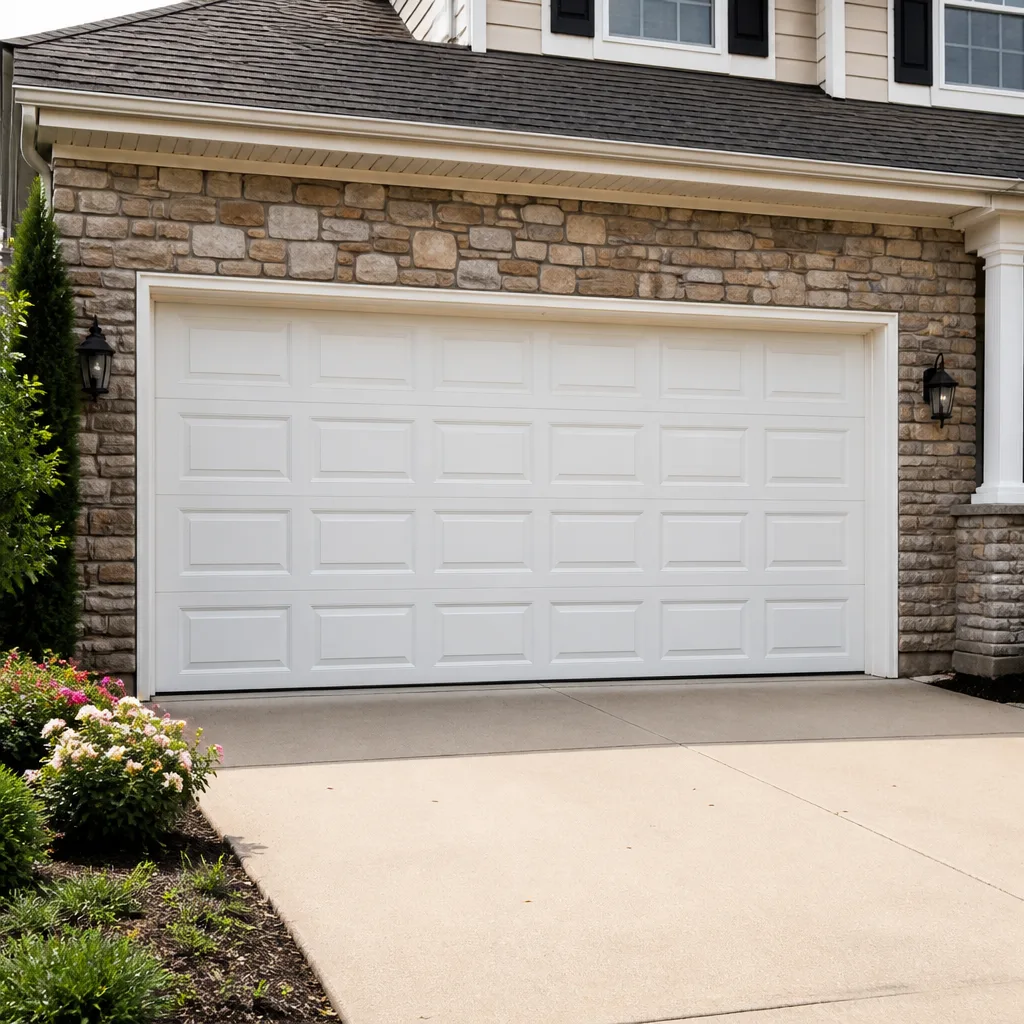
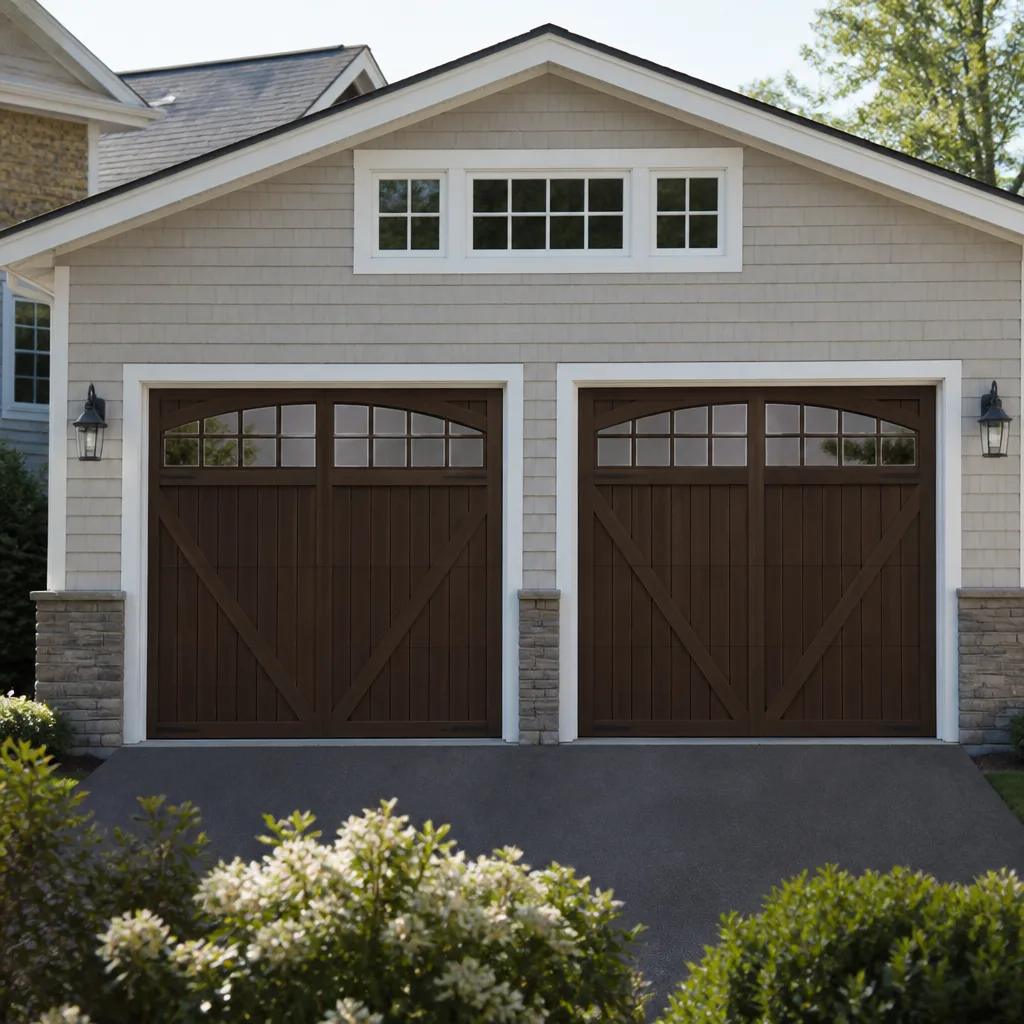
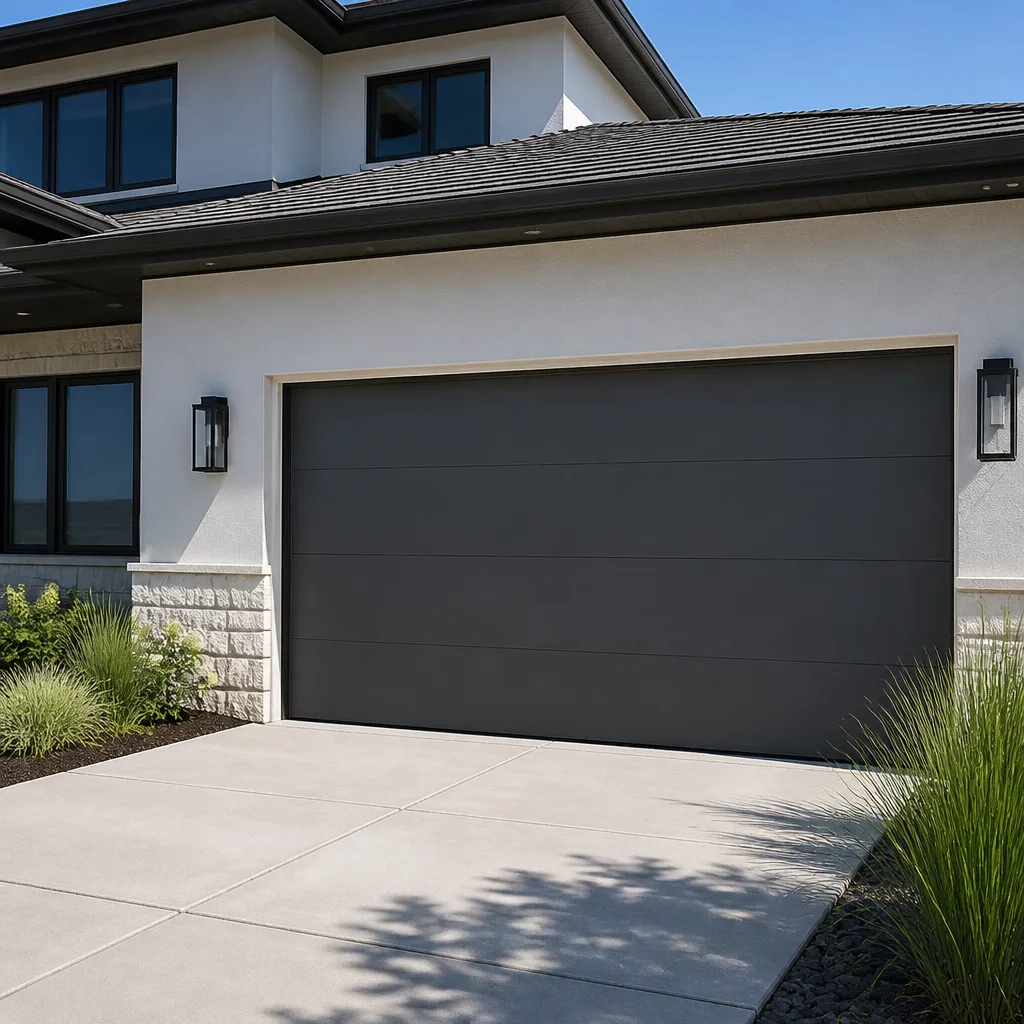
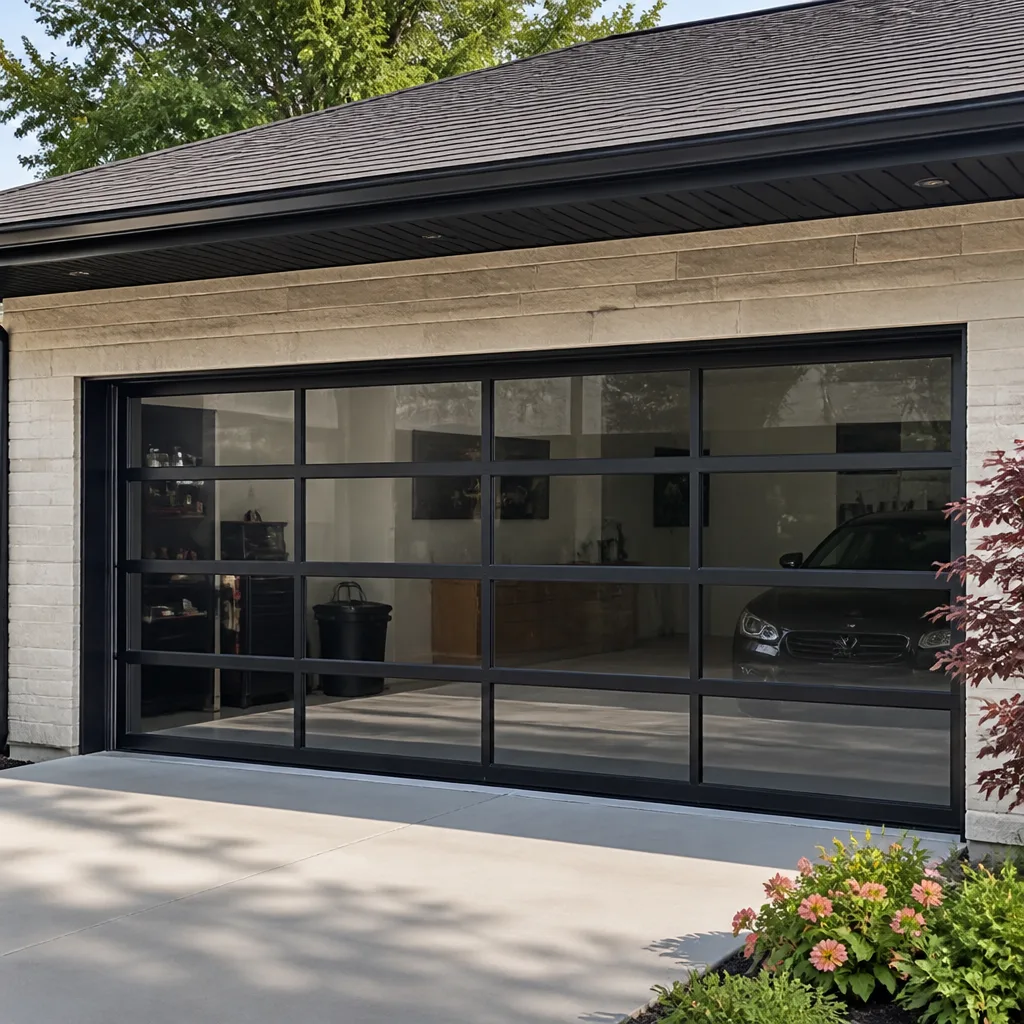
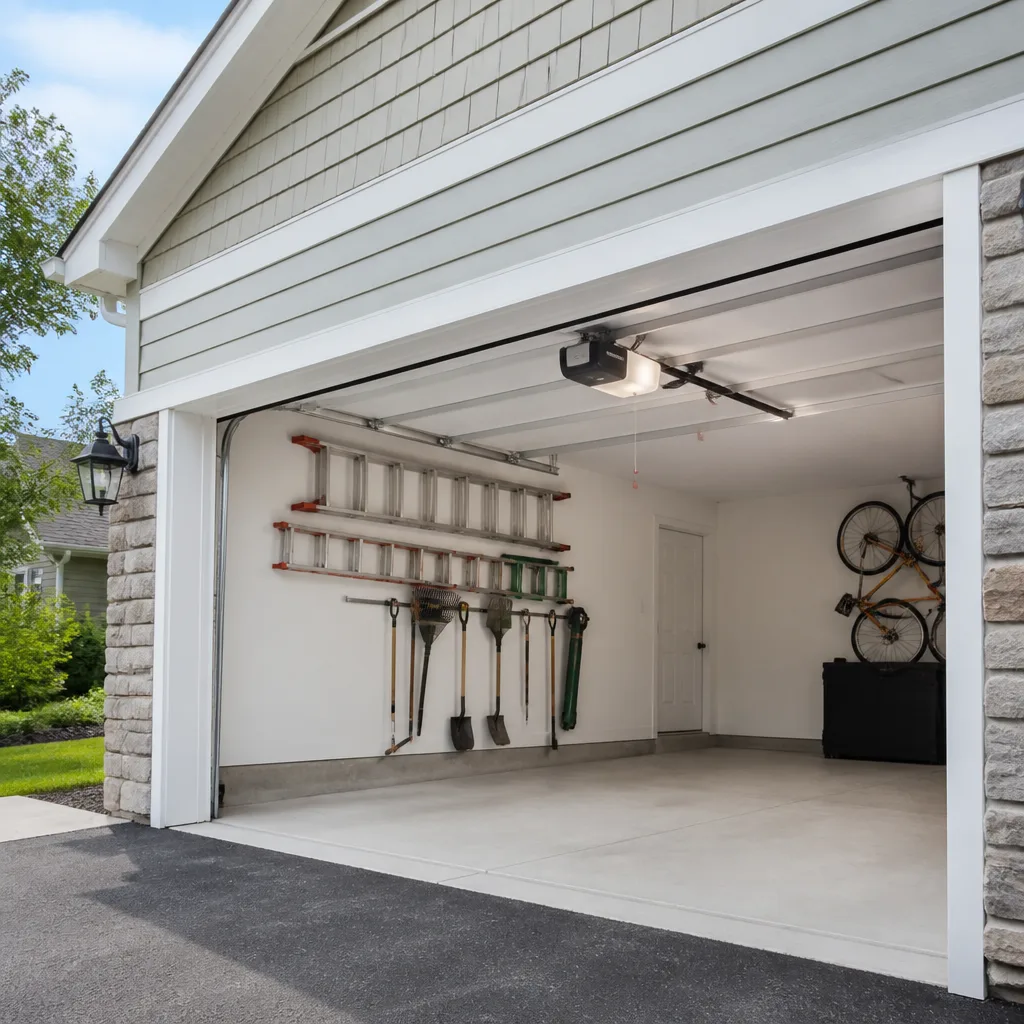
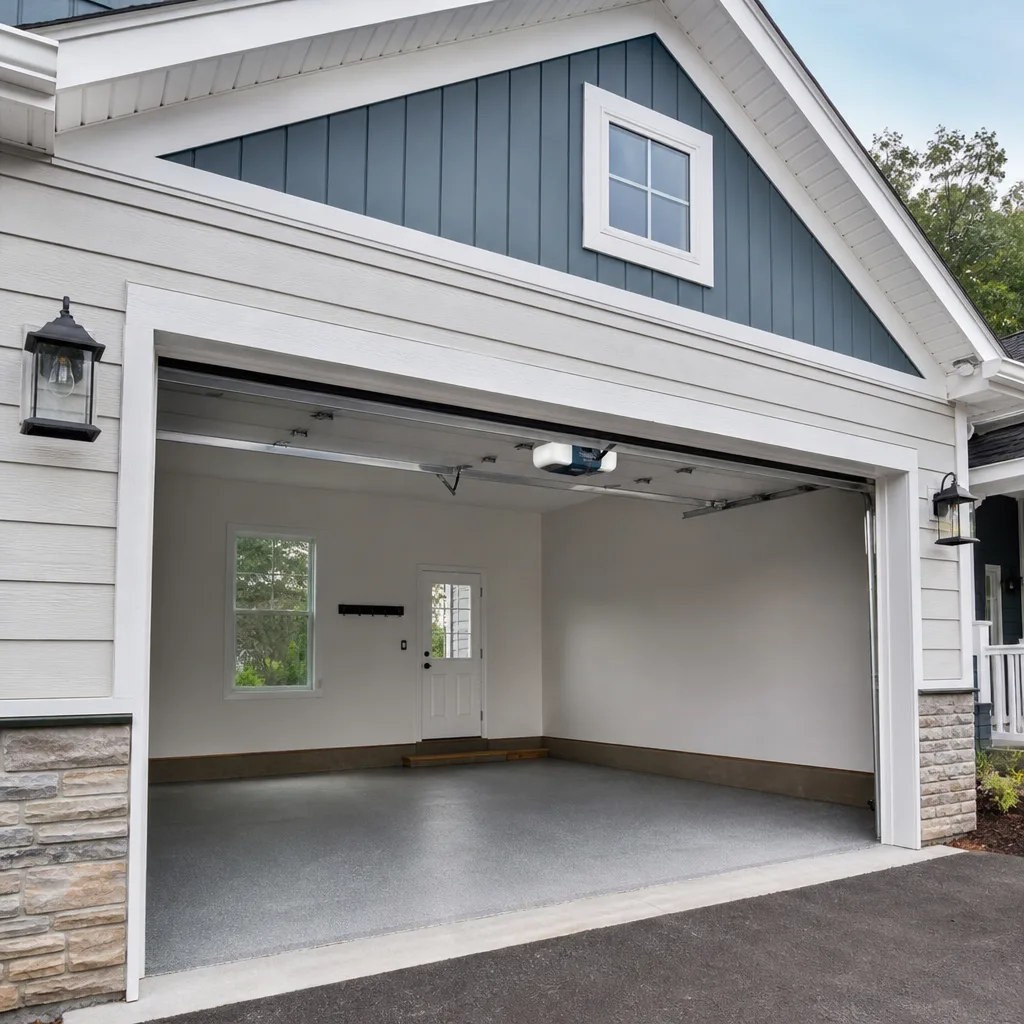
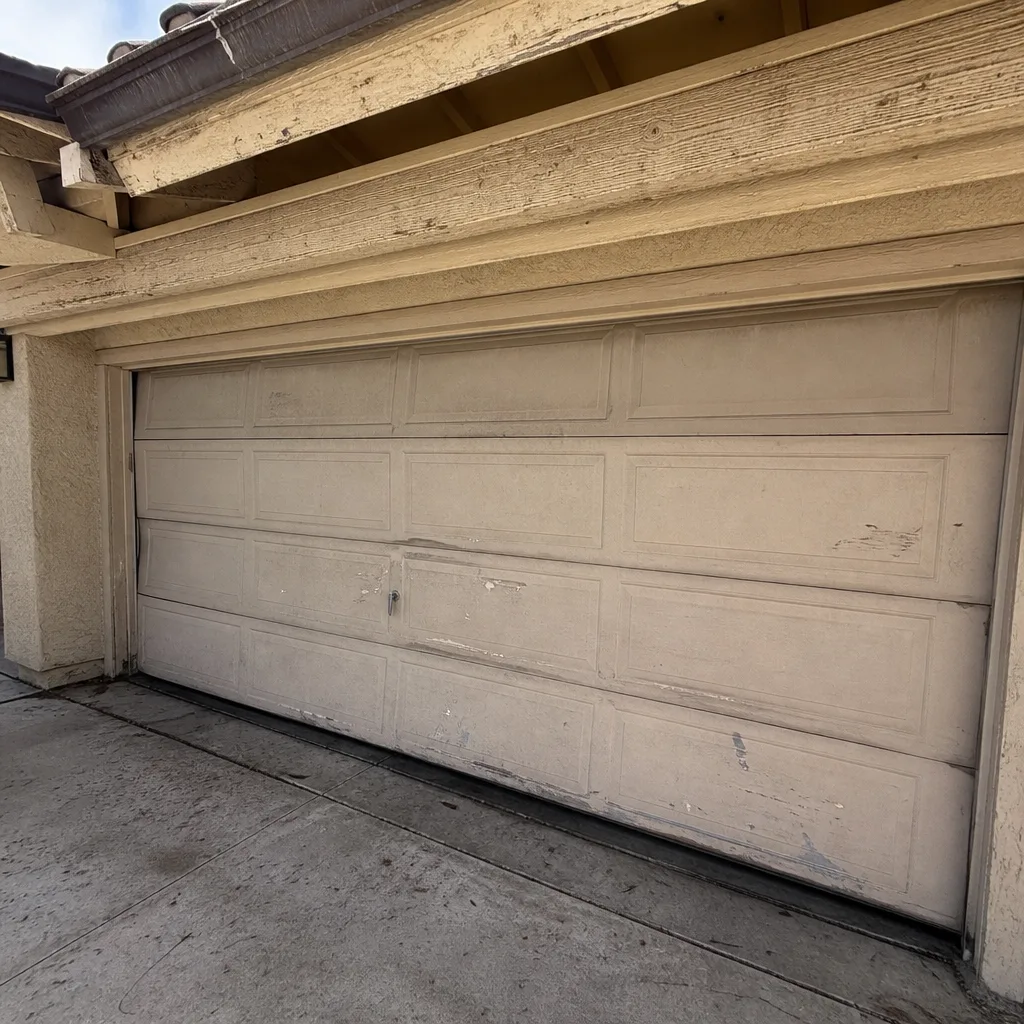 Before
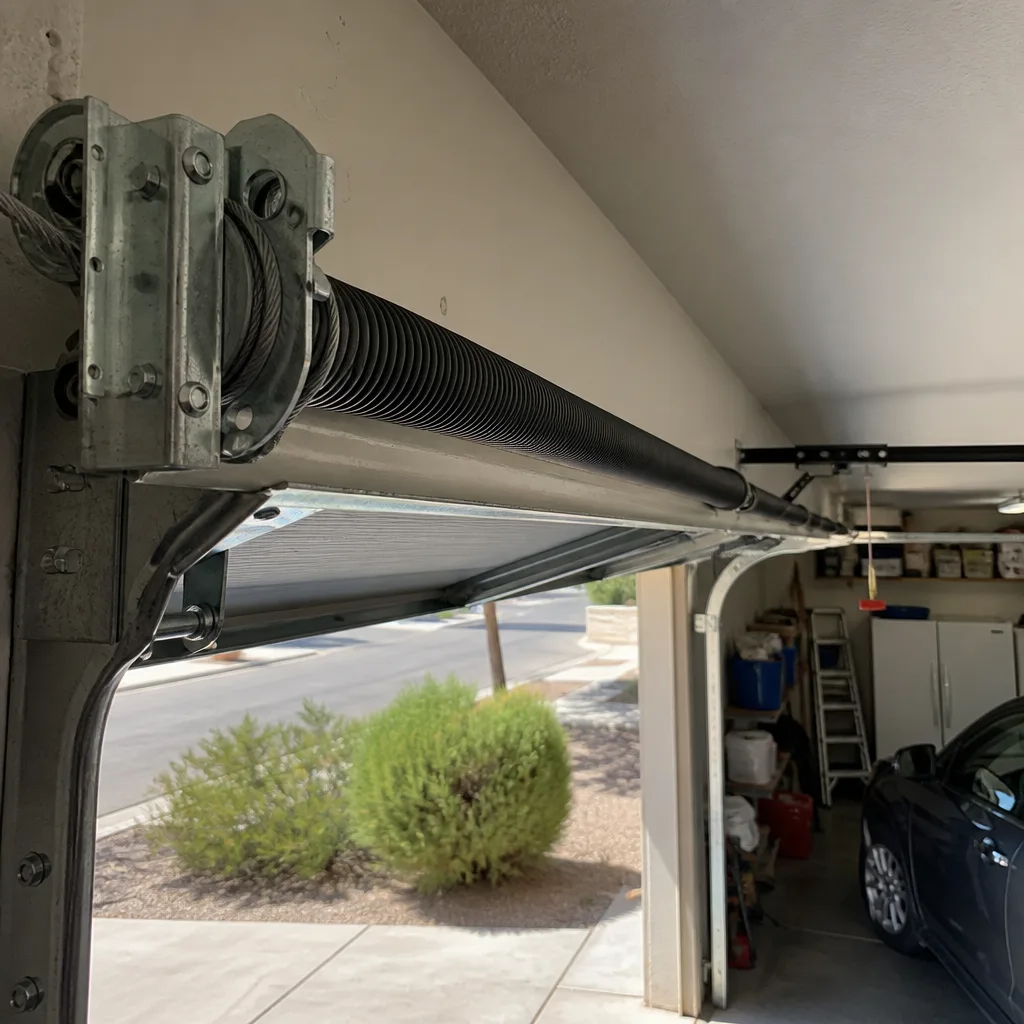 After
After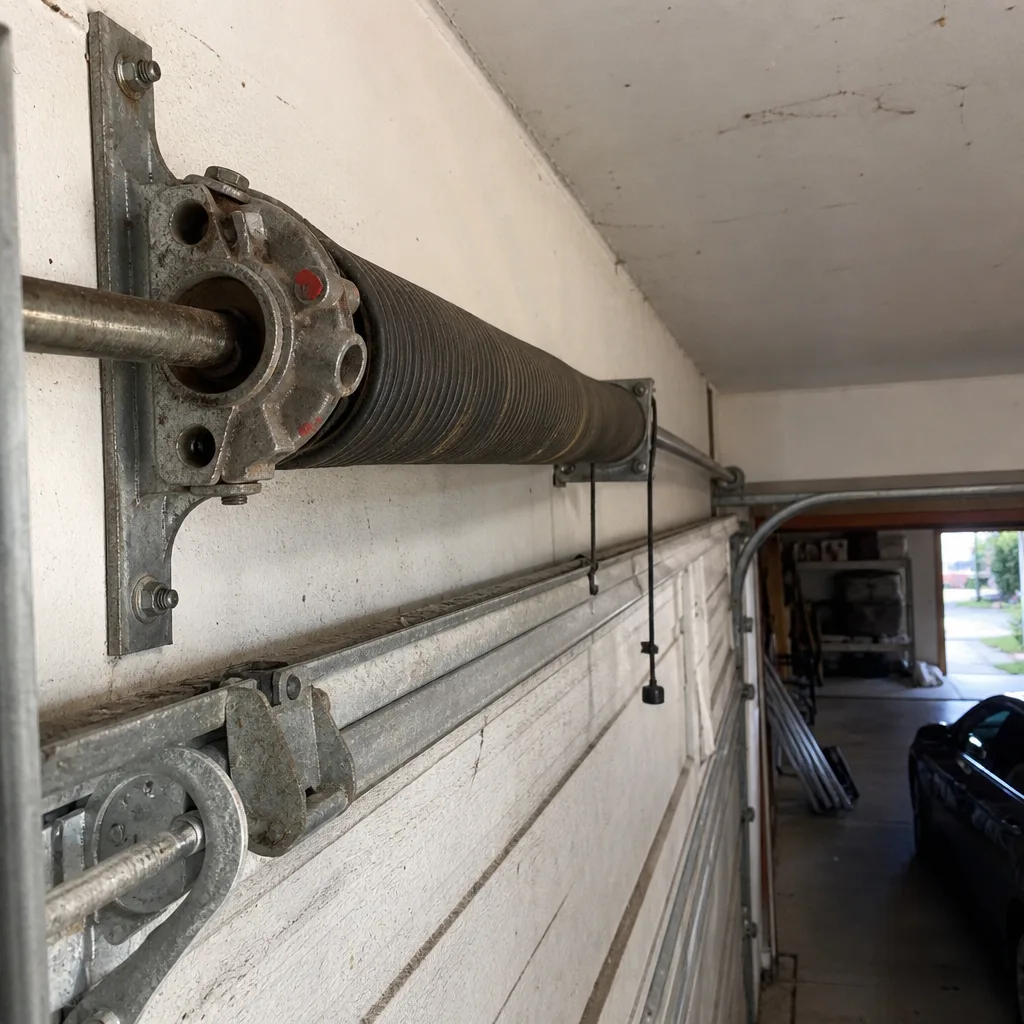 Before
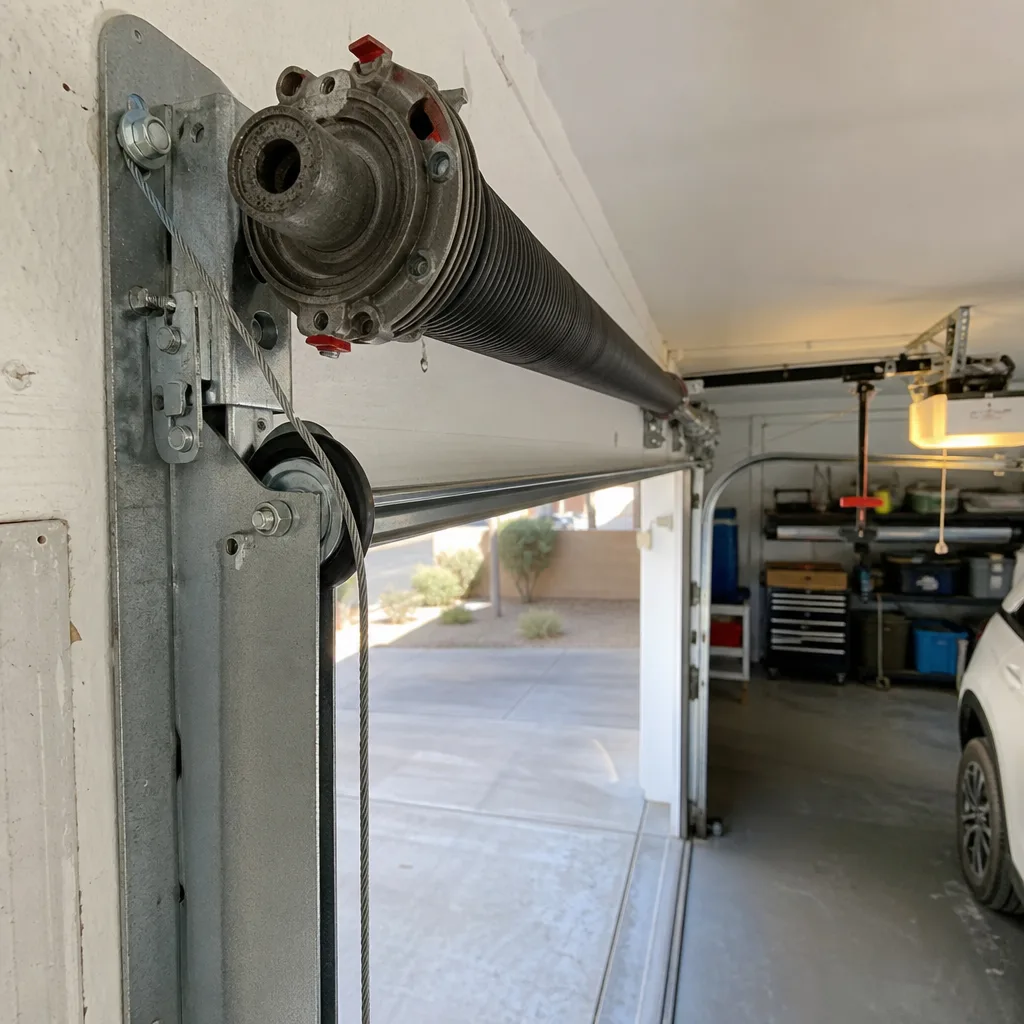 After
After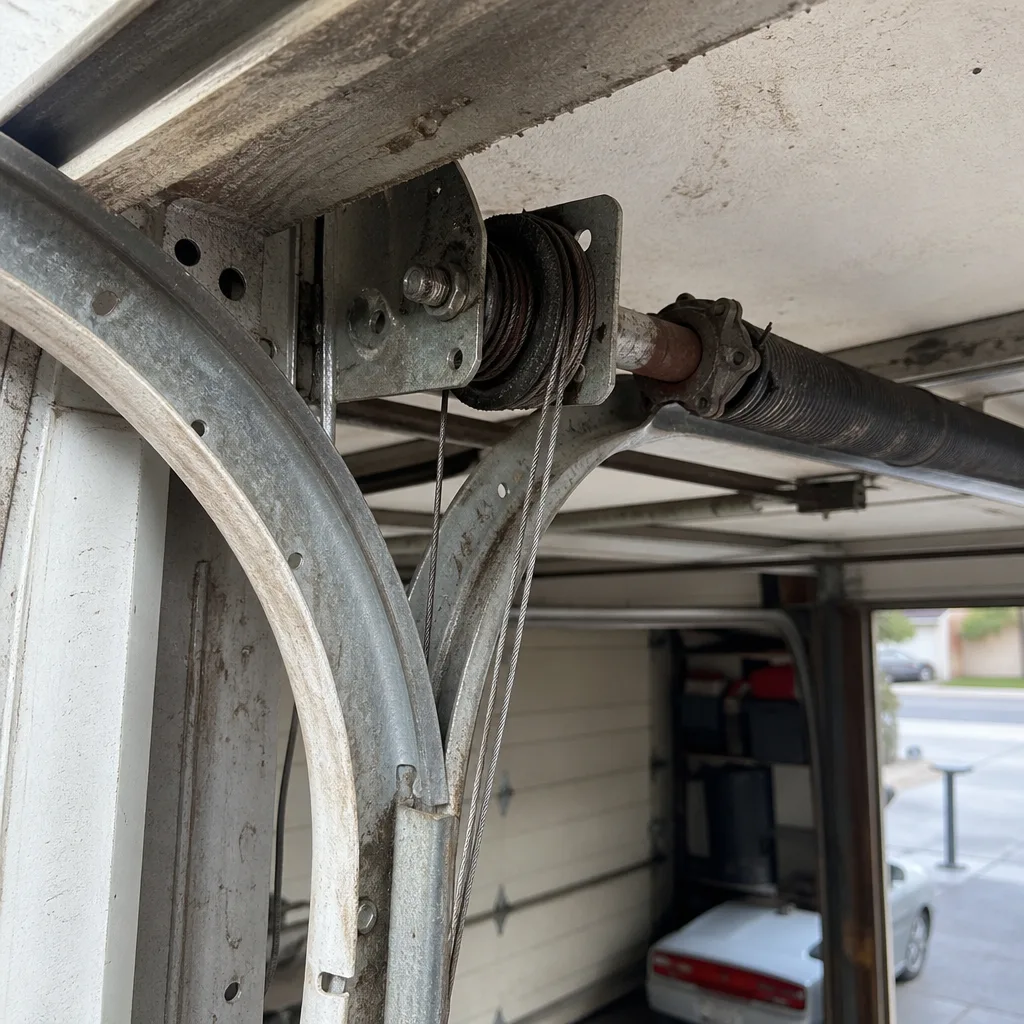 Before
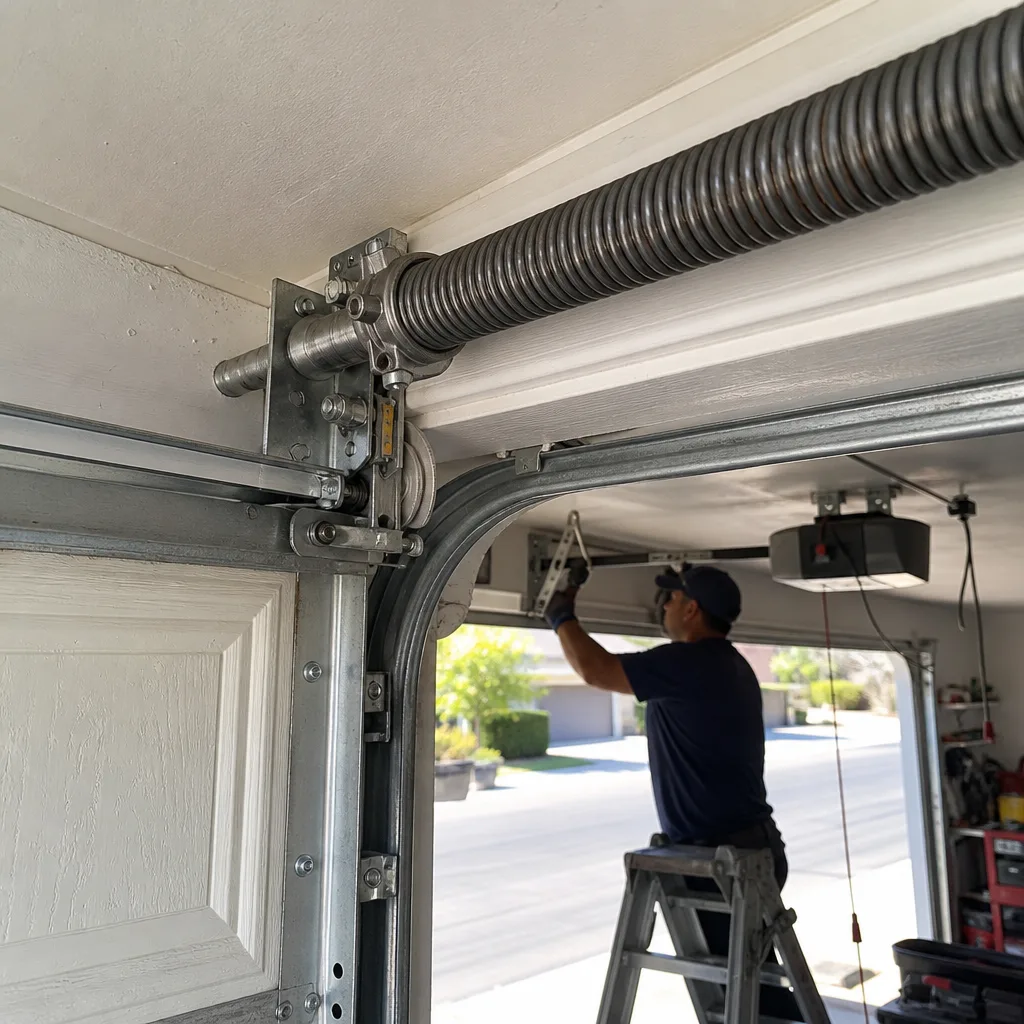 After
AfterGarage Door Permits, Codes & Inspections in AZ: What You Need to Know
A Scottsdale homeowner who widens a garage opening by four inches without a permit won’t hear about it from the city. They’ll hear about it from their title company when they try to sell. Arizona’s garage door permit rules split on a single mechanical question: are you swapping a door in the existing opening, or are you changing the opening itself? One path requires nothing beyond the invoice. The other triggers Maricopa County plan review, a rough-opening inspection, and a paper trail that follows the property. In this guide we’ll draw that line precisely, walk through what Scottsdale inspectors actually look at, and explain how HOA overlays, fire-separation codes, and Certificate of Completion documentation factor in. For more guides & resources on keeping your garage door in top condition, explore our blog. This is the information most homeowners only find after a sale stalls.
Quick Answer
Replacing a garage door in its existing rough opening, where the header, jambs, and opening dimensions stay the same, generally requires no building permit in Scottsdale or unincorporated Maricopa County. Modifying the rough opening, widening it, adding a second door bay, converting a window to a garage opening, or altering the structural header above it does require a permit, a plan review, and an inspection. The distinction is structural, not cosmetic, and it’s defined by the adopted International Residential Code (IRC) section on work exempt from permits.
Table of Contents
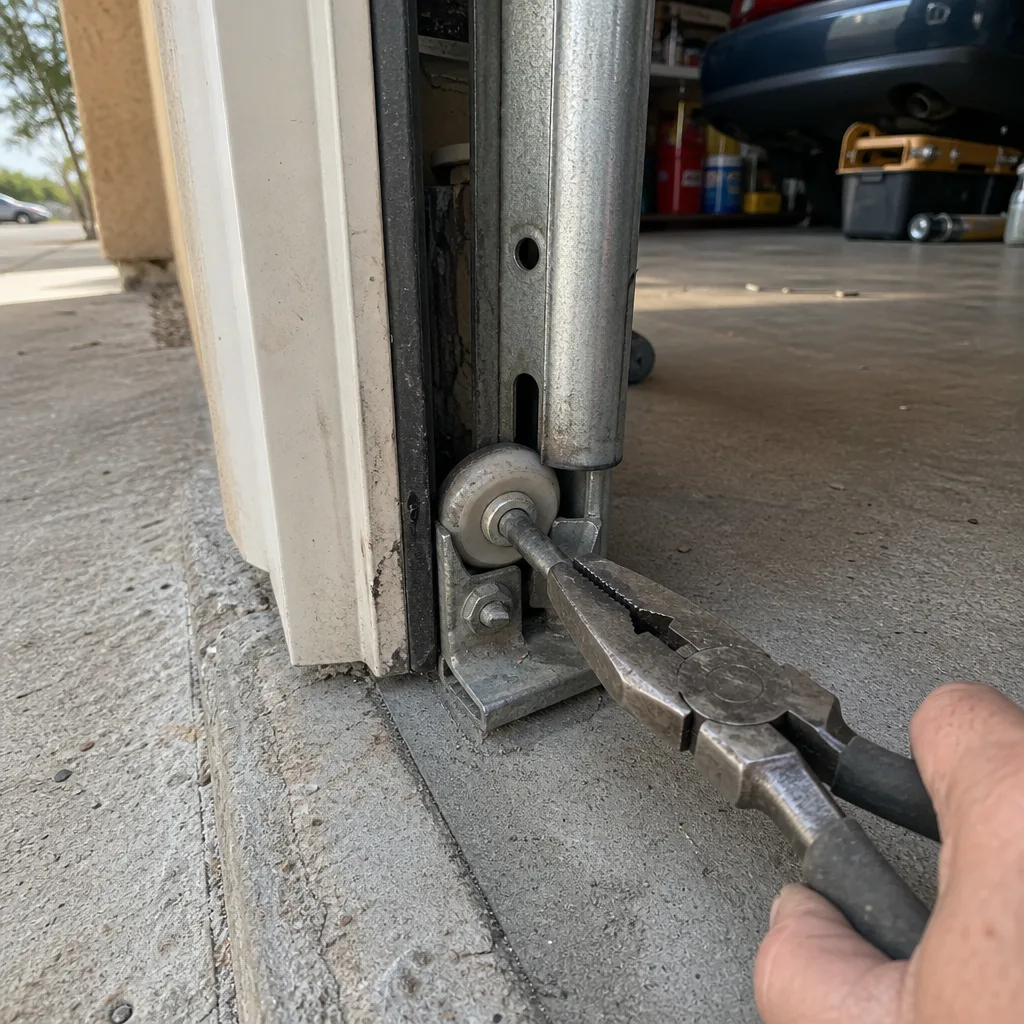
- The Maricopa County Permit Threshold: Replace vs. Modify
- What Scottsdale Inspectors Actually Examine
- The HOA Overlay: A Second Approval Layer
- Fire-Rated Door Requirements for Attached Garages
- Certificate of Completion: Why It Matters at Resale
- The Permit Process, Step by Step
- Scottsdale Climate: Wind Load and Thermal Codes
- Common Mistakes to Avoid
- When to Call a Professional
- Frequently Asked Questions
BeforeAfterThe Maricopa County Permit Threshold: Replace vs. Modify
Scottsdale is a chartered city with its own building department, so its permit rules follow the city’s adopted codes, which mirror the IRC with Arizona-specific amendments. The key exemption lives in Section R105.2 of the adopted building code, which lists “work exempt from permit.” Replacing a garage door in the existing opening, same dimensions, same header, no structural changes, falls under that exemption. No permit. No inspection. The door comes out, the new one goes in, and the paperwork is the installer’s invoice plus the manufacturer’s installation record.
The line you cannot cross without a permit is structural alteration. These specific changes trigger a Maricopa County or Scottsdale permit requirement:
- Widening the rough opening by any amount, including four inches for a wider vehicle
- Adding a second garage door bay where a wall or window currently exists
- Converting a carport to an enclosed garage with a new door opening
- Cutting a new opening in a load-bearing wall
- Replacing the header beam above the opening, even at the same dimensions
- Changing the opening height, which usually means cutting the stem wall or raising the header
Here’s what we’ve seen in practice across Scottsdale neighborhoods like McCormick Ranch and Gainey Ranch. A homeowner wants a wider door for a boat or a longer vehicle. The wall gets opened up four or six inches. The framing contractor does the work. The door company installs the new tracks. Everyone is happy until the refinance appraisal or the title search, when the unpermitted structural alteration appears as a discrepancy between the county assessor’s records and the actual built condition. That’s when the price of a permit plus a field inspection plus a potentially required engineering letter becomes a closing cost nobody budgeted for.
The rule of thumb is one sentence: if the rough opening framing is untouched, you’re replacing; if you’re touching the studs, header, or stem wall, you’re modifying, and you need the paperwork.
What Scottsdale Inspectors Actually Examine
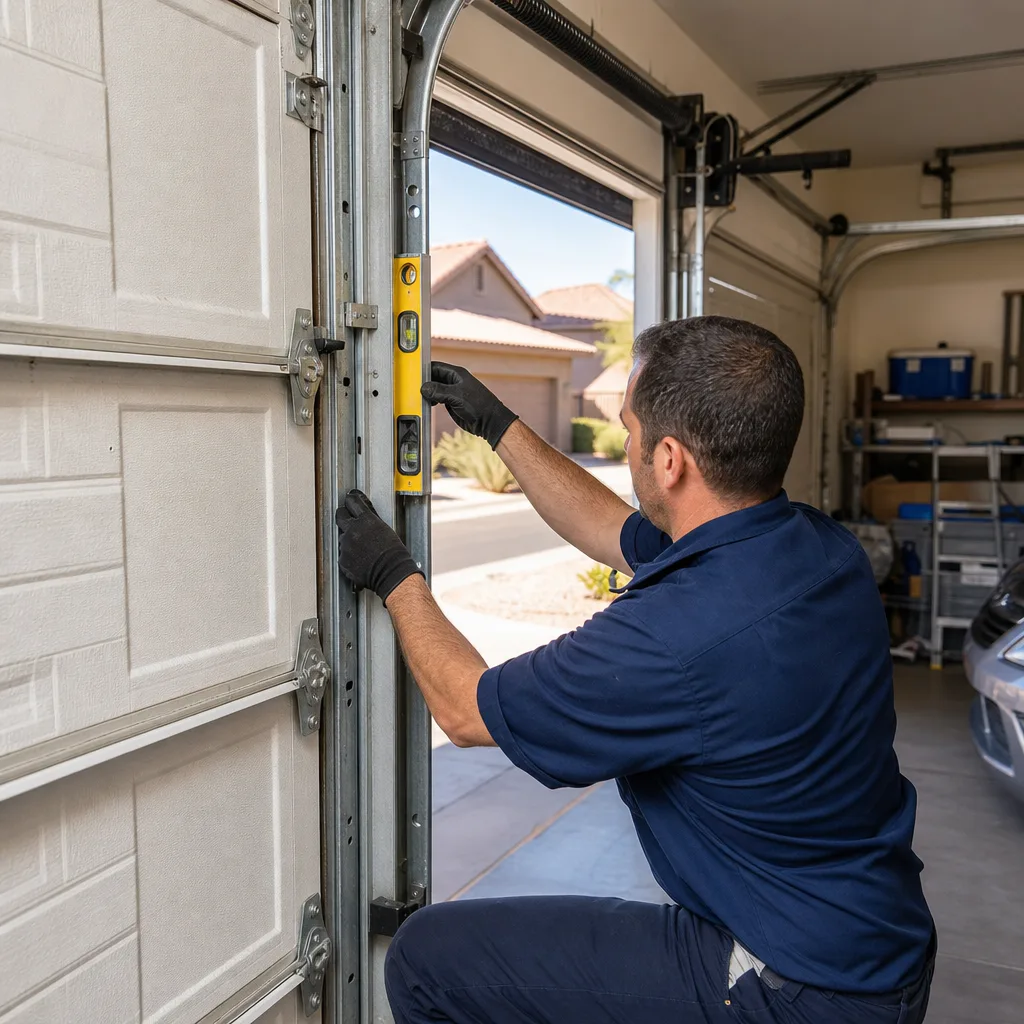
When a permitted rough-opening modification is underway, the Scottsdale building inspector visits after the framing is complete but before the door and trim cover it. This is the inspection that matters, and it’s not a rubber stamp. Here’s what they verify:
- Header load path: The header beam above the opening must be sized for the span and the loads above it, including roof loads and any second-story weight. The inspector checks the lumber or engineered beam dimensions against the approved plans, and verifies that jack studs and king studs are sized and nailed correctly.
- Hardware anchor points: Garage door track brackets and spring anchors bolt into the framing. The inspector checks that the blocking behind these anchor points is solid framing, not drywall screws into sheetrock. A torsion spring under tension can exert several hundred pounds of force, and the anchor point is a life-safety item.
- Fire-separation compliance: For attached garages in Scottsdale, the wall and any door between the garage and living space must meet fire-separation requirements under the adopted IRC section R302. If the rough-opening work touched that wall, the inspector verifies that the separation is restored to code, including the proper door assembly if a pedestrian door is involved.
- Wall bracing and shear: In a city where monsoon winds can hit 60 mph without warning, wall bracing matters. The inspector checks that the modified wall section meets the braced-wall requirements for the home’s wind zone.
We should be precise about what the inspection is not. The Scottsdale inspector is not checking the garage door’s balance, spring tension, or opener logic board. That’s the installer’s scope. The rough-opening inspection is about the structure the door hangs from, not the door itself. This is why a quality installation matters even when no permit is required: the best door on a compromised opening is still a repair waiting to happen.
For homeowners in Scottsdale who want the opening work done right, Garage Door Installation in Scottsdale is our guide to the full process, from opening measurements to final hardware. We photograph the rough opening before any door goes on, because that’s the condition that matters for permits and for the life of the door.
The HOA Overlay: A Second Approval Layer
Scottsdale has one of the highest densities of homeowners associations in Arizona. This creates a layer of approval that exists entirely outside city code and often confuses homeowners who assume that a city permit is the only gatekeeper. The HOA’s authority comes from the CC&Rs recorded on the deed, not from Scottsdale’s building department. The two systems don’t coordinate, and they don’t exempt each other.
Here’s what a Scottsdale HOA can and cannot legally restrict on a garage door project:
- What they can restrict: Door material, color, panel style, window inserts, and sometimes even the brand. Many Scottsdale HOAs maintain a pre-approved door list, and some require the door match the original builder spec. If you’re in DC Ranch or Grayhawk, expect a written application and a design review window, often 14 to 30 days.
- What they can also require: That the new door match the original in color and panel profile, even when the original is no longer manufactured. This is where a homeowner gets stuck: the HOA denies the application, and the homeowner now needs a custom color match or a retrofit panel.
- What they cannot restrict: The HOA cannot waive or override a Scottsdale building code requirement. They cannot demand a structural modification without a permit, and they cannot block a permit-required repair that affects safety, like a failed header or a fire-separation breach.
- What they cannot legally do: The Arizona Planned Communities Act limits HOA restrictions on certain safety devices, but a garage door’s external appearance is almost always fair game under the design-review clause.
We’ve worked on dozens of Scottsdale homes where the HOA application took longer than the door installation. The practical sequence is: check the CC&Rs first, file the HOA application early, and only then schedule the install. The Servo Garage Doors Scottsdale home page has more on how we approach Scottsdale-specific installations, including HOA coordination on the paperwork side.
Fire-Rated Door Requirements for Attached Garages
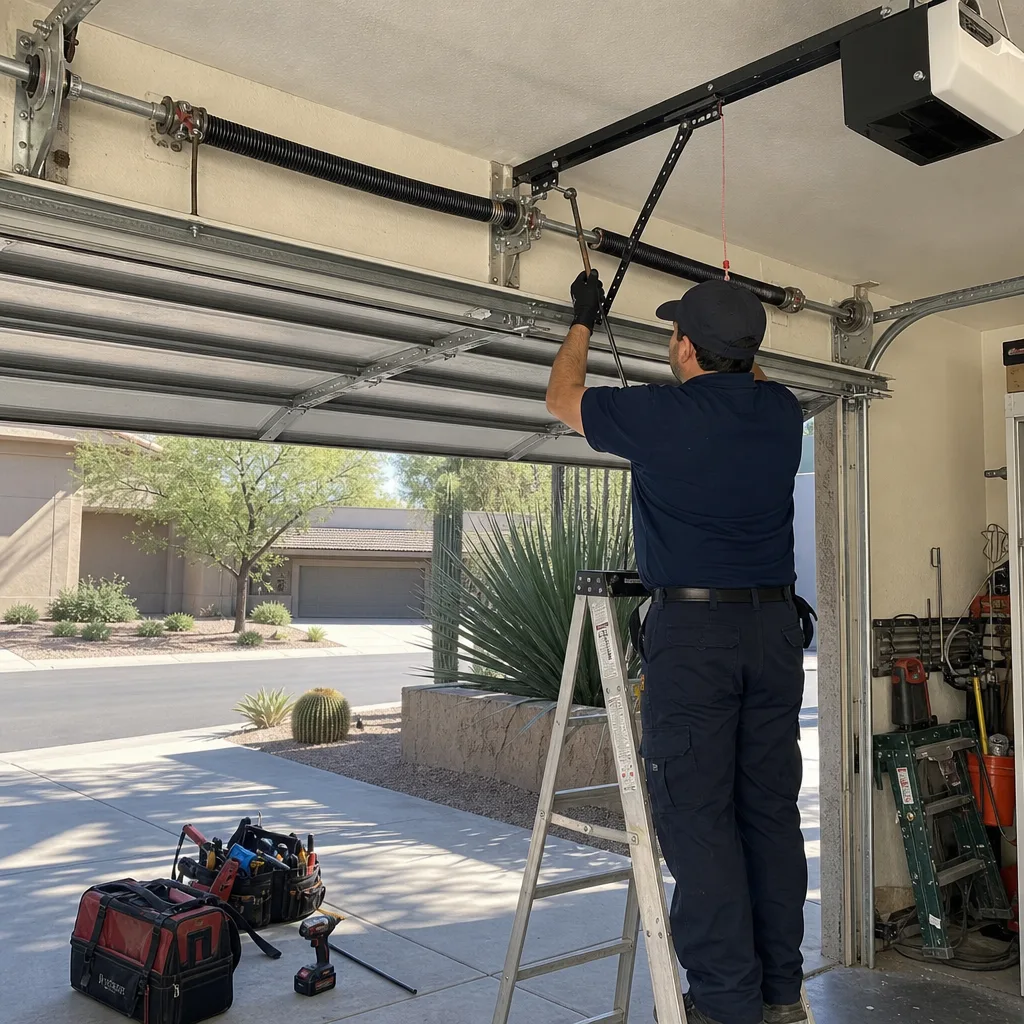
The fire-separation code that applies to Scottsdale homes comes from the IRC sections adopted by the city of Scottsdale, specifically R302.5 and R302.6 governing openings between garages and living spaces. The rule applies to the door between the garage and the house interior, not the vehicle door facing the street. Here’s the distinction, and it’s one most Scottsdale homeowners don’t know they’re subject to:
- Solid wood door, 1-3/8 inches thick minimum: This meets the fire-separation requirement for a pedestrian door from an attached garage into living space. A steel-skinned door with a 20-minute fire rating also qualifies. A hollow-core interior door does not, and that’s a common code violation found during Scottsdale resale inspections.
- Self-closing hinges: The door from the garage into the house must close and latch on its own. A door that stays open because a spring hinge is disconnected is a violation, and it’s one of the first things a sharp home inspector flags.
- The vehicle door itself is not fire-rated: The large garage door facing the driveway does not carry a fire rating in single-family residential construction in Arizona. It’s the interior door and the wall assembly that do the work.
- Which homes trigger this: Any Scottsdale home with an attached garage, which is the overwhelming majority of single-family homes built since 1980 in the city. Detached garages, common in older Scottsdale neighborhoods like the ones around Old Town, are generally exempt unless the structure shares a wall with a living space.
When we install or repair a garage door opening in Scottsdale and we see a hollow-core interior door or a missing self-closer, we note it on the documented record we leave with the homeowner. It’s not part of our vehicle-door scope, but it’s a code item that will surface at sale time if left untouched. That’s the kind of thing a paper trail catches early.
Certificate of Completion: Why It Matters at Resale
Here’s the part of the process nobody tells you about until a transaction is in escrow. When a permitted garage door structural modification is finished and the final inspection passes, the city of Scottsdale issues a Certificate of Completion, sometimes called a final inspection approval. This document is not mailed to you unprompted, and it doesn’t automatically attach to the county assessor’s file. You have to request it, and you have to keep it.
Why it matters at resale:
- Title searches flag permit gaps: A title company in a Scottsdale transaction will compare the county’s property record card against the actual built condition. An unpermitted widened garage opening that doesn’t match the record is a title defect, and it can stall the closing until it’s either retroactively permitted or disclosed and accepted by the buyer’s lender.
- Disclosure forms ask the question: The Arizona Seller Disclosure form asks about unpermitted work. You answer honestly, and now the buyer wants a discount, a permit, or both.
- A Certificate of Completion answers the question in one document: It shows the city inspected the work, the header was sized, the anchors were verified, the fire separation was restored. The title issue disappears because the record matches the reality.
Here’s the step-by-step to get the Certificate of Completion for a permitted garage door job in Scottsdale:
- Complete the permitted work and pass the rough-opening inspection with the Scottsdale building inspector.
- Schedule and pass the final inspection. This is often a separate visit, after the door is installed and the opening is trimmed.
- Confirm with the building department that the permit status is marked “Final” or “Completed” in their system.
- Request a Certificate of Completion in writing, either through the city’s online permitting portal or at the building department counter.
- File the certificate with your home documents, alongside the door manufacturer’s warranty and the installer’s invoice.
We keep a documented photo record on every visit, not just the permitted jobs. That record sometimes includes the rough-opening condition before the door goes on, which is exactly the evidence a homeowner needs if a permit question comes up later. For repair work that stays within the same opening, Garage Door Repair in Scottsdale covers what we document and why.
The Permit Process, Step by Step
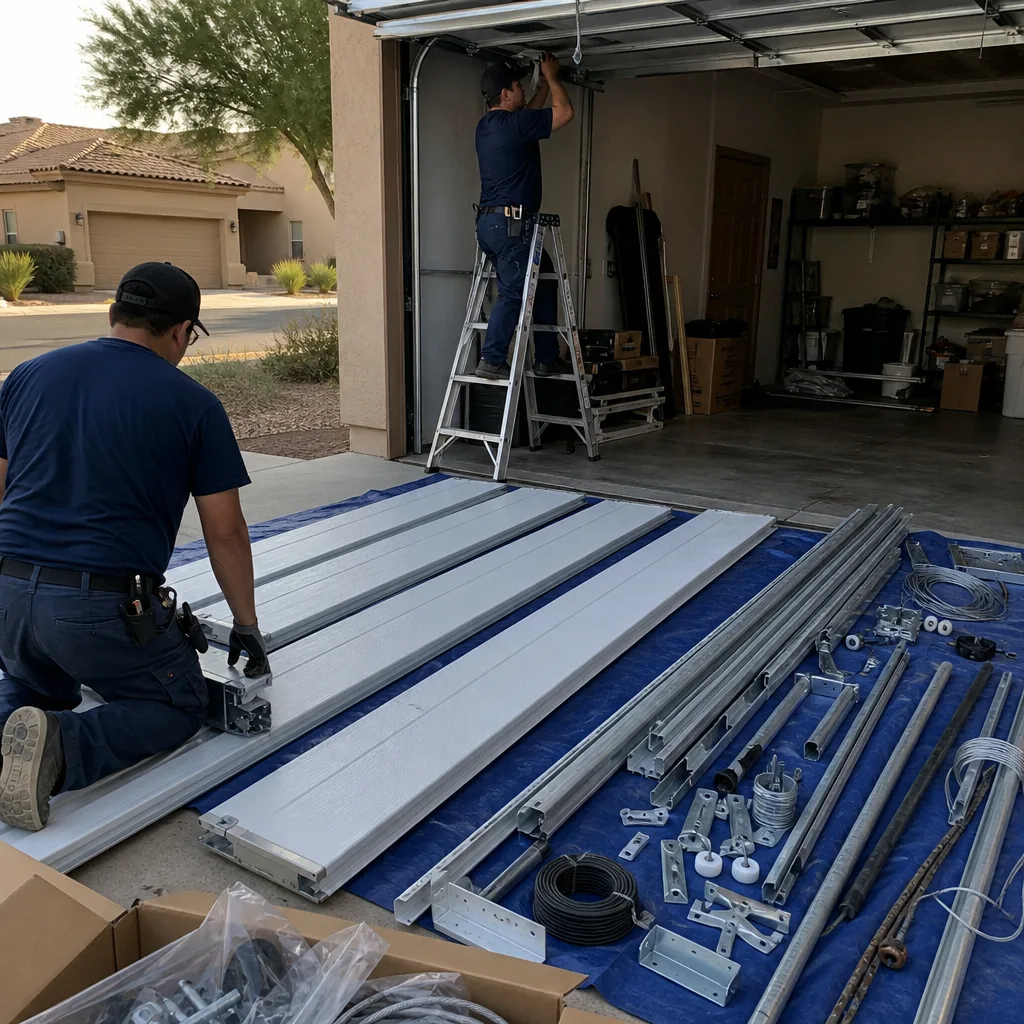
So you’re modifying the rough opening. You’ve confirmed the HOA isn’t going to fight the door style. Here’s the Scottsdale permit sequence, in order, with realistic timing based on what we’ve observed on the ground in the last few years:
- Determine scope: Is this a header replacement, a widening, a height change, or a new opening? Write it down in one sentence. If you can’t describe the structural change in one sentence, you need an engineer involved.
- Get engineering, if required: Scottsdale plan review will typically require a licensed Arizona structural engineer’s letter or stamped drawings for any header replacement or opening dimension change. This costs money, usually a few hundred dollars, and takes a week or two.
- Submit the permit application: This goes through the city of Scottsdale’s online portal. You’ll need the engineering drawings, the door opening dimensions, and the property address. The fee is based on the valuation of the work and is due at application.
- Plan review: The city reviews the drawings for code compliance, including header sizing, wall bracing, and fire-separation if the garage wall is involved. Expect one to three weeks, longer in peak building season.
- Framing and rough-opening inspection: Once the permit is issued, the framing goes in. The inspector checks the header, jack studs, king studs, anchors, and fire separation before the door is installed.
- Install the door and schedule final inspection: After the door is in, the final inspection confirms the opening is as permitted and the work is complete.
- Request the Certificate of Completion: As described above. This is the document that goes in your home file.
A note on timing from our experience in Scottsdale: the city’s building department is responsive but busy, and the engineering letter is usually the bottleneck. Budget four to eight weeks from engineering to final inspection for a typical opening modification. It’s a slower process than the door install itself, which is a single-day job for a competent crew.
Scottsdale Climate: Wind Load and Thermal Codes
Scottsdale sits in a wind zone that matters for garage door code compliance, particularly in the monsoon months when microburst winds can exceed 50 mph. The adopted IRC section R301.2 specifies the design wind speed for the region, and a garage door installed in Scottsdale is supposed to meet the wind load rating for that speed, plus the exposure category for the specific lot.
What this means in practice:
- Wind-rated doors: Many manufacturers, including Wayne Dalton and Raynor, build doors with reinforcement struts and heavier track systems for the Arizona wind zone. A door without the correct wind rating can bow under a monsoon microburst, pulling the rollers out of the tracks and dropping the door.
- Exposure categories: A home backing up to open desert or a golf course in north Scottsdale has a higher exposure category than a home in a sheltered cul-de-sac. The correct door spec accounts for this.
- Thermal codes: Scottsdale’s energy code, based on the Arizona-adopted International Energy Conservation Code, sets insulation requirements for conditioned spaces. An attached garage is not conditioned space in most Scottsdale homes, so the vehicle door isn’t held to a high R-value. But the wall between the garage and the living space is, and if your opening modification touches that wall, the insulation must be restored to the energy code standard.
When we spec a door in Scottsdale, we check the wind load rating against the home’s exposure, not just the opening’s measurements. A LiftMaster opener with a properly sized motor is part of that, but the door’s structural rating is the foundation. Garage Door Opener Repair & Installation in Scottsdale goes deeper on the opener side, including the pairing of opener force with door weight in our wind conditions.
Common Mistakes to Avoid
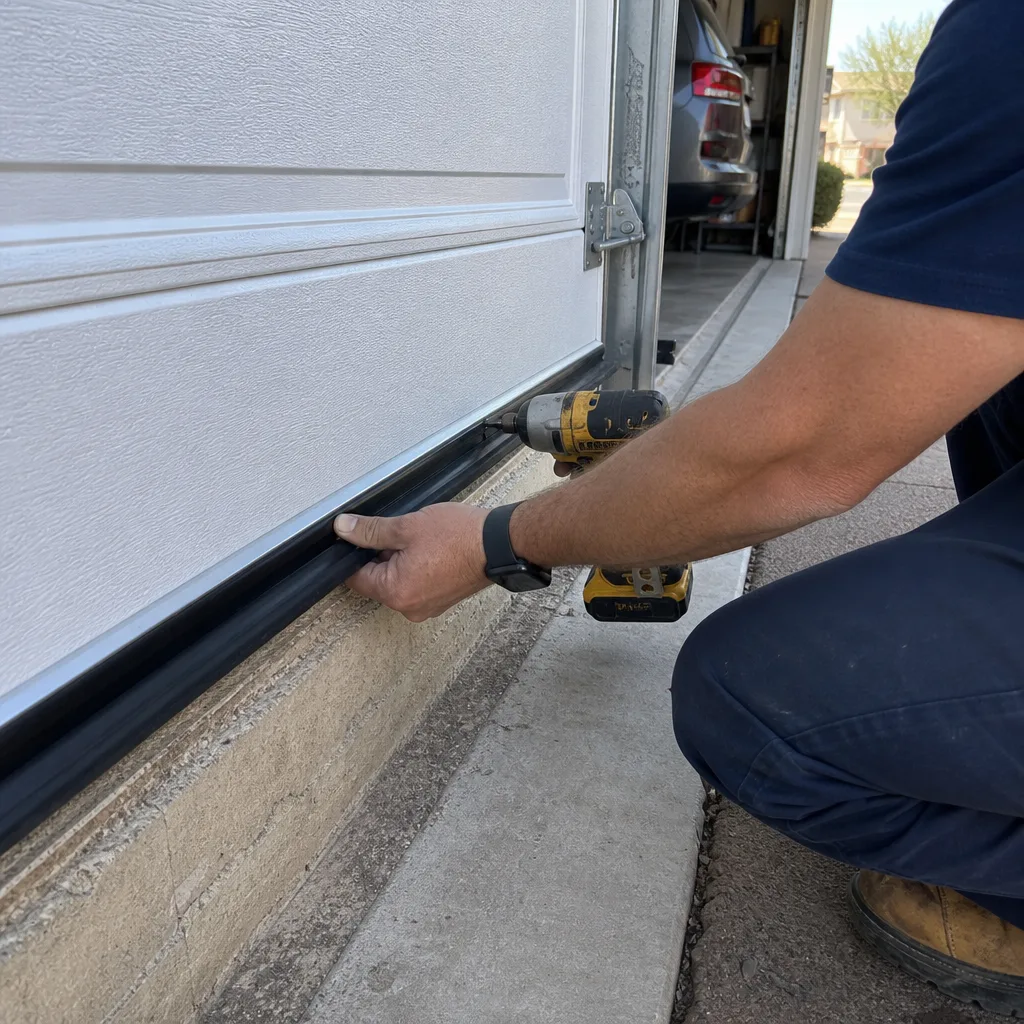
- Assuming all door swaps are permit-exempt: Replacing a door in the existing opening is exempt. Widening that opening, even slightly, is not. If you’re cutting into the header, jack studs, or stem wall, you’ve crossed the line.
- Skipping the HOA review: A Scottsdale HOA can force you to replace a door that was installed without design review, and they can also deny your application on a technicality, postponing the whole project. File early.
- Not requesting the Certificate of Completion: Passing the final inspection doesn’t mean the document lands in your mailbox. You have to request it, and it’s the one piece of paper a title company will want at resale.
- Using a hollow-core door between the garage and living space: A common violation in older Scottsdale homes, and one that home inspectors flag routinely. A 20-minute rated door or 1-3/8-inch solid wood is the minimum, and the self-closing hinge has to work.
- Ignoring wind loads on a replacement: A cheap non-reinforced door that looks fine in January can fold under a July microburst in Scottsdale. The wind rating is part of the building code, not a marketing spec.
- Patenting the work without engineering: A header replacement isn’t a trim-carpenter judgment call. Scottsdale plan review expects an Arizona engineer’s stamp, and trying to get around it usually costs more in rework than the engineering letter would have cost up front.
- Contradicting the built record: The assessor’s office has a record of the original opening dimensions. A modified opening that doesn’t match the record is a title gap that appears at the worst possible moment: in escrow.
When to Call a Professional
If the project touches the header, the jack studs, the stem wall, or the opening dimensions, you need a licensed contractor and an engineer before you need a door installer. This is structural work, and it’s not the place to save a few hundred dollars. If the project is a door replacement in an existing opening, a qualified garage door company can handle the whole scope, including the wind rating and the HOA’s design constraints. Servo Garage Doors Scottsdale offers free estimates in Scottsdale, and we document the rough opening condition on every job. Call (928) 363-3551 if you want a written price and a written scope before any work starts.
Frequently Asked Questions
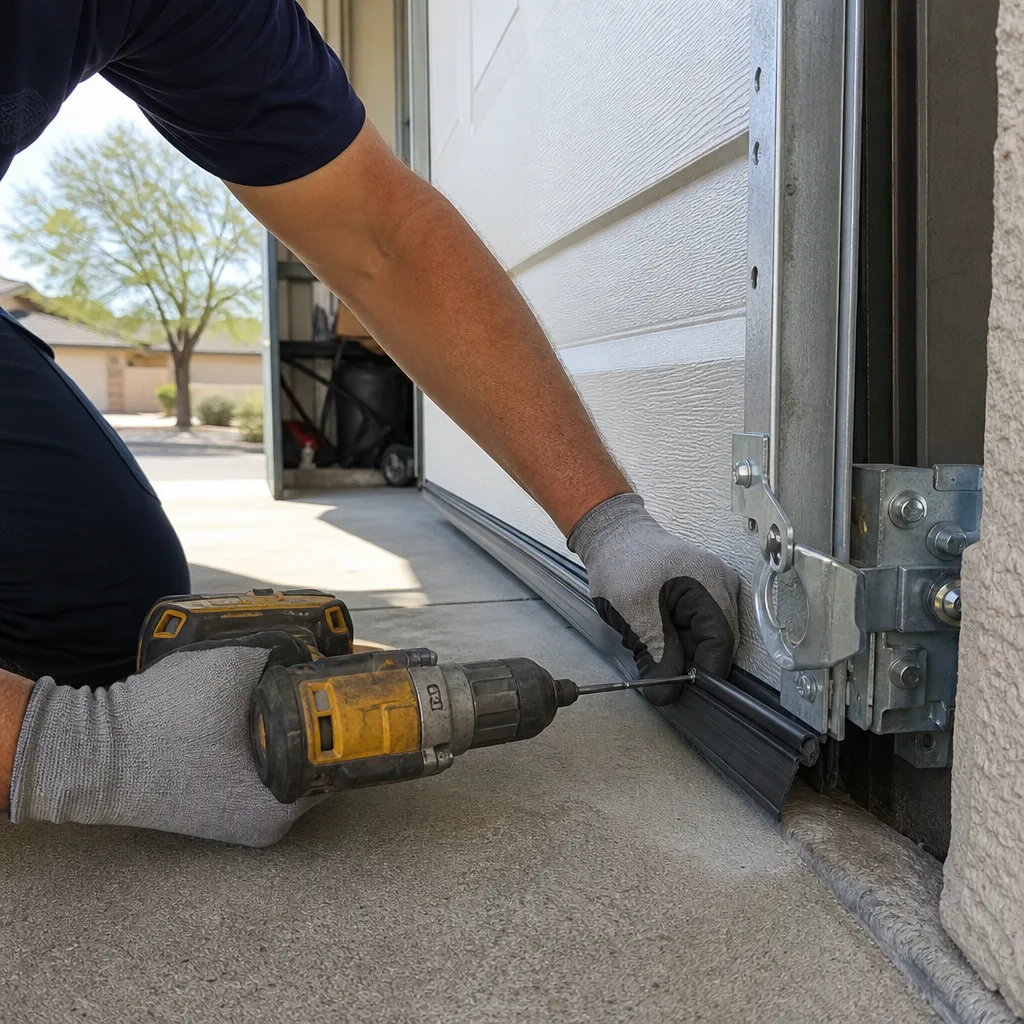
No permit is required to replace a garage door in an existing opening in Scottsdale, as long as the header, jack studs, and opening dimensions stay exactly the same. The exemption is structural: a like-for-like door swap doesn’t touch the framing, so it isn’t considered construction work under the adopted building code. If you’re not sure whether your project crosses the line, call (928) 363-3551 and we’ll tell you over the phone based on the opening description.
Permit fees in Scottsdale are calculated as a percentage of the project valuation, which for a typical rough-opening modification lands in the several-hundred-dollar range, and engineering fees are separate and often higher. The exact number depends on the scope and the current fee schedule, but expect permit plus engineering to run $800 to $2,000 for a header replacement or opening change. It’s a fraction of the cost of retroactively permitting the work at resale.
Yes, and they do it regularly in Scottsdale. HOAs in master-planned communities like DC Ranch, Grayhawk, and McCormick Ranch enforce design-review clauses in the CC&Rs that cover door material, color, and panel profile. They cannot waive a city code requirement, and they cannot require you to skip a permit, but they can absolutely deny your door choice. File the HOA application before you buy the door.
The title company’s property record comparison will flag the discrepancy between the county’s record and the actual built condition, and the Arizona Seller Disclosure form requires you to disclose unpermitted work. The sale can stall until you either retroactively permit the modification, which often requires an engineer and a field inspection, or the buyer accepts the liability. Retroactive permitting costs more than doing it right the first time.
Yes, for attached garages in Scottsdale. The interior door from the garage into the house must be either a 20-minute fire-rated door or a solid wood door at least 1-3/8 inches thick, with working self-closing hinges. The vehicle door facing the driveway does not carry a fire rating. This requirement comes from the adopted IRC sections R302.5 and R302.6.
Yes, under the adopted IRC wind load provisions, a garage door installed in Scottsdale must be rated for the design wind speed for the home’s exposure category. In practice, that means a door with reinforcing struts and a track system built for Arizona monsoon forces, especially on homes with open desert or golf course exposure. A non-reinforced door can fail under a microburst in a way that a properly spec’d Wayne Dalton or Raynor door will not.
The Bottom Line
The Arizona and Scottsdale garage door permit system is one bright line: same opening, same framing, no permit. Changed opening, changed header, changed stem wall, permit plus engineering plus inspection. The complication comes from the layers around that line: the HOA design review that runs parallel to the city, the fire-separation code that applies to the interior door rather than the vehicle door, and the Certificate of Completion that quietly becomes the most important document in your home file at resale. If you’re swapping a door, document it and move on. If you’re modifying an opening, permit it, inspect it, and keep the paper. A Scottsdale home sale years from now will be simpler for it.
Written by Marcus Deller, Owner at Servo Garage Doors Scottsdale, serving Scottsdale since 2015.